- About
-
Projects
- Projects
-
Projects in Africa
- Overview
- Connecting off-grid girls to off-grid energy
- Regional hospital centre electricity project
- Installing photovoltaic systems and creating a MOOC for training
- Improvement of working conditions for women in Senegal
- Connection of the hospital centers of Beni
- Women Solar Academy
- Acteurs
- Solar energy for better health in Ivory Coast
- Rural entrepreneurship around innovative productive uses of electricity
-
Projects in Latin America
- Overview
- Provide solar photovoltaic systems to families living off-the-grid
- Provide accessibility for rural communities to a low-voltage electrical sytem
- Installation of solar panels for the Resilient Medical Centers
- Solar street lights installation in Bongaba
- Luz al Barrio
- Electrical Kits for houses
- Building safe community places
- Multi-regional project
- Partners
- Newsroom
- Call for Projects
- Contact us
Foundation
United Nations Sustainable Development Goals: A Compass and Ambitions for the Fondation Nexans
Mar 30, 2026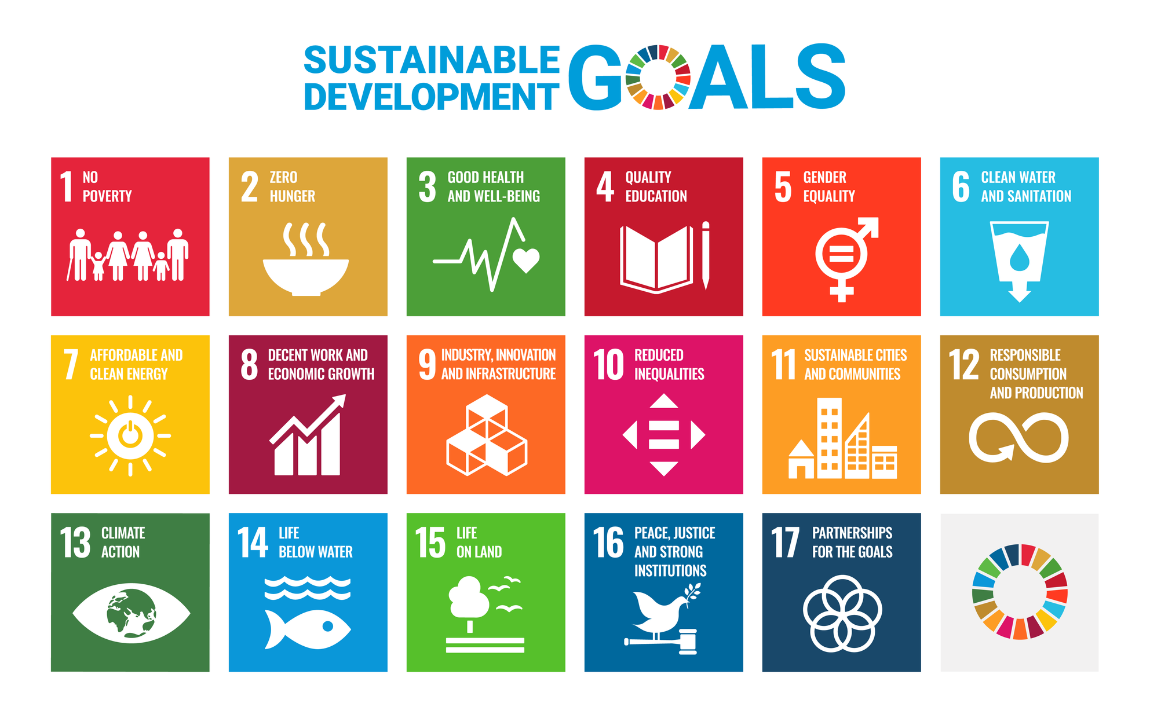
SDG's are seventeen goals to reach for human development
Adopted in 2015 by the United Nations, the Sustainable Development Goals (SDGs) provide a universal roadmap to address the major challenges of our time: poverty, inequality, climate change, and access to essential resources. They pursue a common objective: to build a more just, inclusive, and sustainable world by 2030.
Eradicating poverty, ending gender inequality, and providing quality education for all—these are just a few of the 17 Sustainable Development Goals (SDGs) adopted by the United Nations in 2015 as part of the 2030 Agenda for Sustainable Development.
Among them, access to energy holds a central place—and for good reason: energy is a fundamental driver of development. It provides light, supports healthcare, enables education, connects communities, and creates economic opportunities.
It is precisely within this dynamic that the mission of the Fondation Nexans is embedded.
What are the SDGs?
For more than 80 years, the mission of the United Nations has been to ensure peace and prosperity for humanity. But in the face of inequality, poverty, hunger, and disease, what actions should be taken? To answer this question, the organization launched a new program in 2015, building on the Millennium Development Goals adopted in 2000, with twice as many objectives and new targets. These are the Sustainable Development Goals (SDGs).
“We are determined to take the bold and transformative steps urgently needed to shift the world onto a sustainable and resilient path. And we pledge that no one will be left behind in this collective journey.” — United Nations Resolution, September 25, 2015
The SDGs: Catalysts for Action for the Fondation Nexans
To understand the links between the Foundation and the SDGs, a brief step back is necessary. In 2012, the United Nations launched a year dedicated to sustainable energy for all. Through its Secretary-General at the time, Mr. Ban Ki-Moon, the organization issued a call for collective mobilization such as governments, the private sector, and civil society to expand access to energy. At the time, nearly 1.5 billion people lacked access to electricity. It was in response to this call that the Fondation Nexans was created the following year.
Since 2015, projects supported by the Foundation must align with the SDGs, with a priority on SDG 7: Ensure access to affordable, reliable, sustainable, and modern energy for all.
Even today, 700 million people worldwide still lack access to electricity, while 3 billion rely on polluting fuels for cooking. The issue of energy is therefore critical.
But for the Foundation, energy is also a means to achieve other goals:
- Enabling local training,
- Supporting economic development,
- Promoting gender equality,
- Strengthening the health of the most vulnerable,
- Protecting the environment.
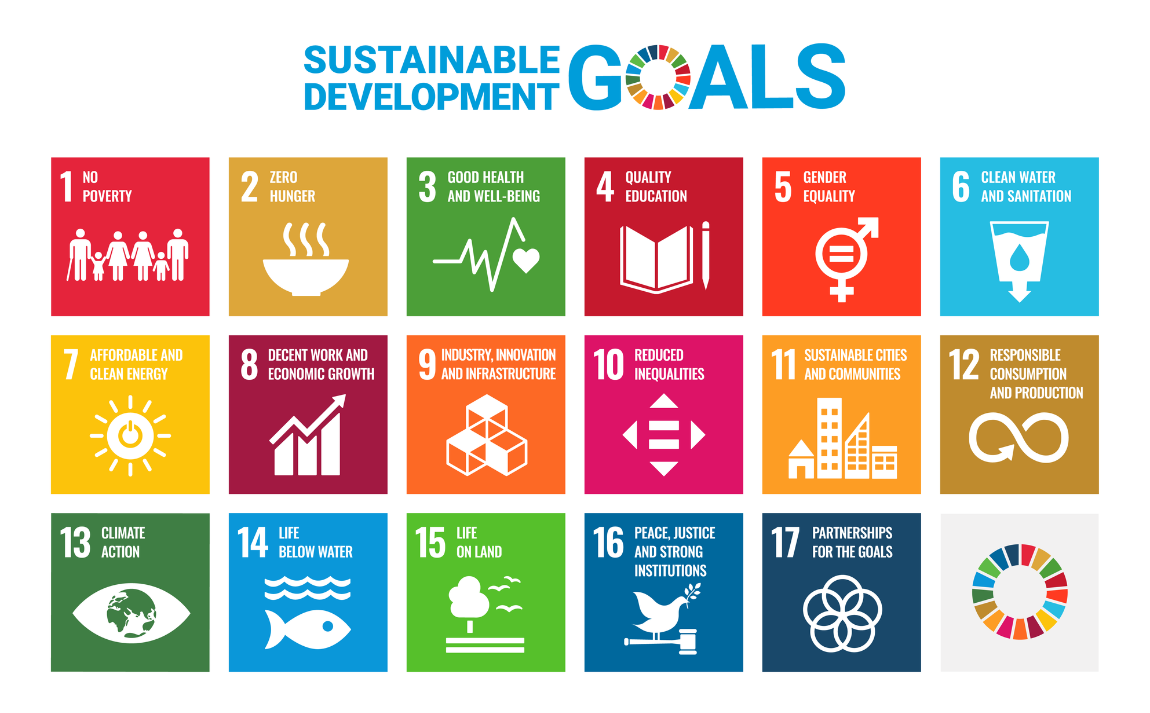
These missions are also covered by various SDGs. Today, the Fondation Nexans is committed to supporting projects that address around ten of them:
- Eradicating extreme poverty (SDG 1),
- Improving well-being and access to healthcare (SDG 3),
- Ensuring access to education and promoting learning (SDG 4),
- Empowering women and girls (SDG 5),
- Promoting employment and contributing to economic growth (SDG 8),
- Reducing inequalities (SDG 10),
- Making cities and human settlements inclusive, safe, resilient, and sustainable (SDG 11).
Since 2013, more than 170 projects in 42 countries, led by 77 organizations, have helped improve the living conditions of over 3 million people.
Three Continents, Hundreds of Projects, 17 Goals to Achieve
Our call for projects charter is very explicit: each submitted project must align with two SDGs in addition to SDG 7. The most impactful initiatives of recent years are no exception. Here is a brief global overview.
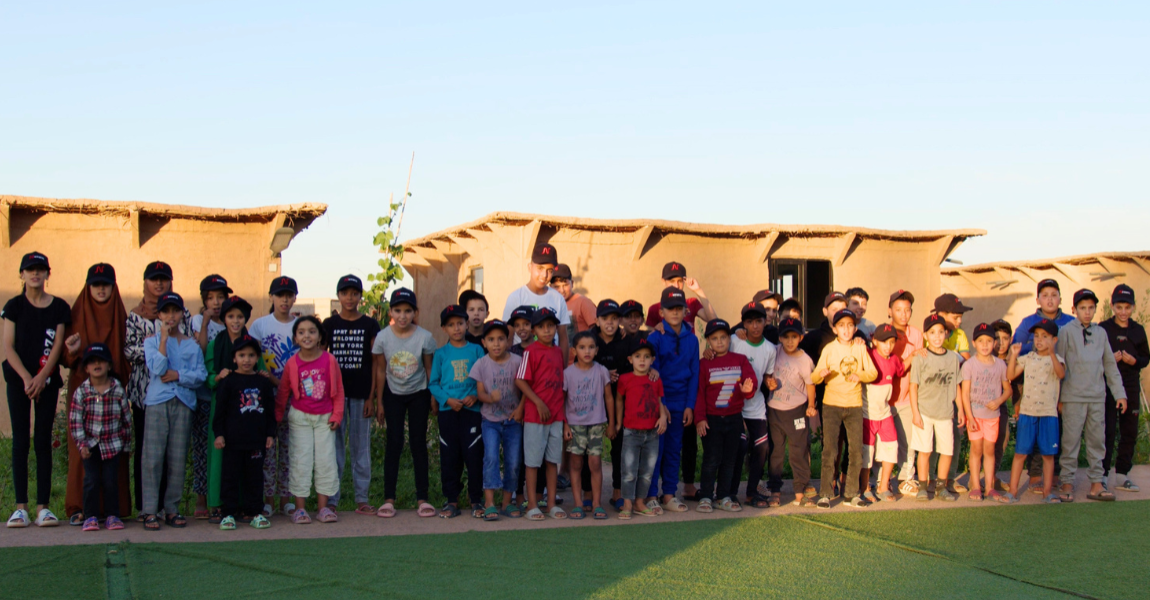
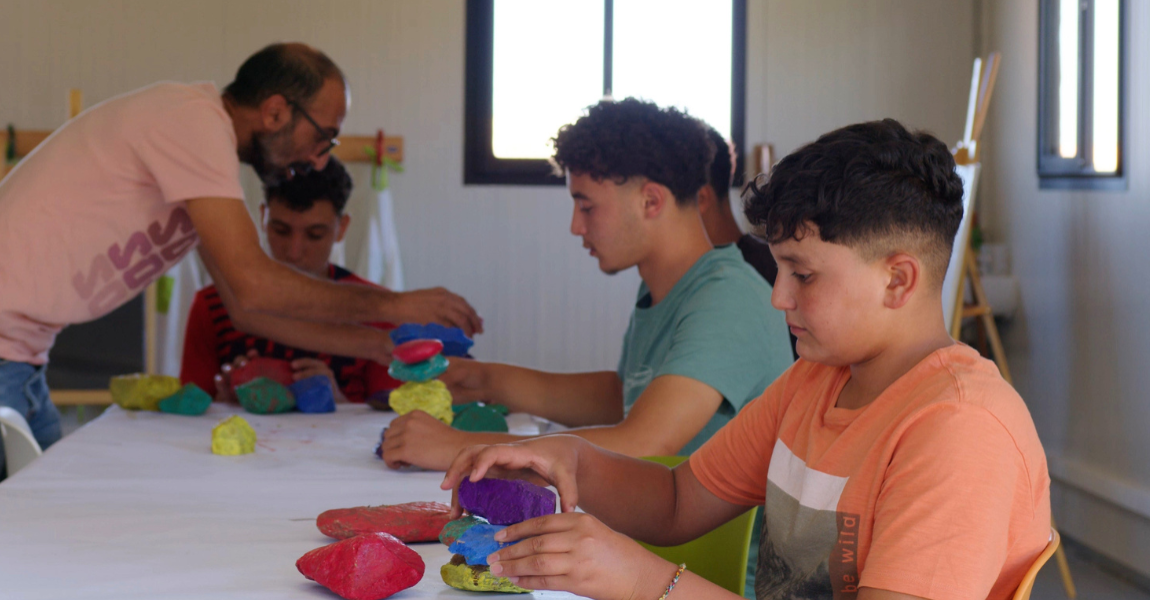
Shems’y Village for the Orphans of Al Haouz: Energy to Rebuild a Future
The deadly earthquake of September 2023 in Morocco was a catastrophe. Hundreds of people lost their homes, jobs, and families. Hundreds of children were left orphaned. In this emergency situation, the Fondation Nexans and Nexans Morocco responded to a call from AMESIP, an association specializing in helping disadvantaged children. Within a few months, the Shems’y Village was created to host and educate these children. Clean energy, quality education for all, gender equality, and healthcare spaces—the Shems’y Village alone encompasses half a dozen SDGs.

Ecoswell: Improving Family Health in Peru
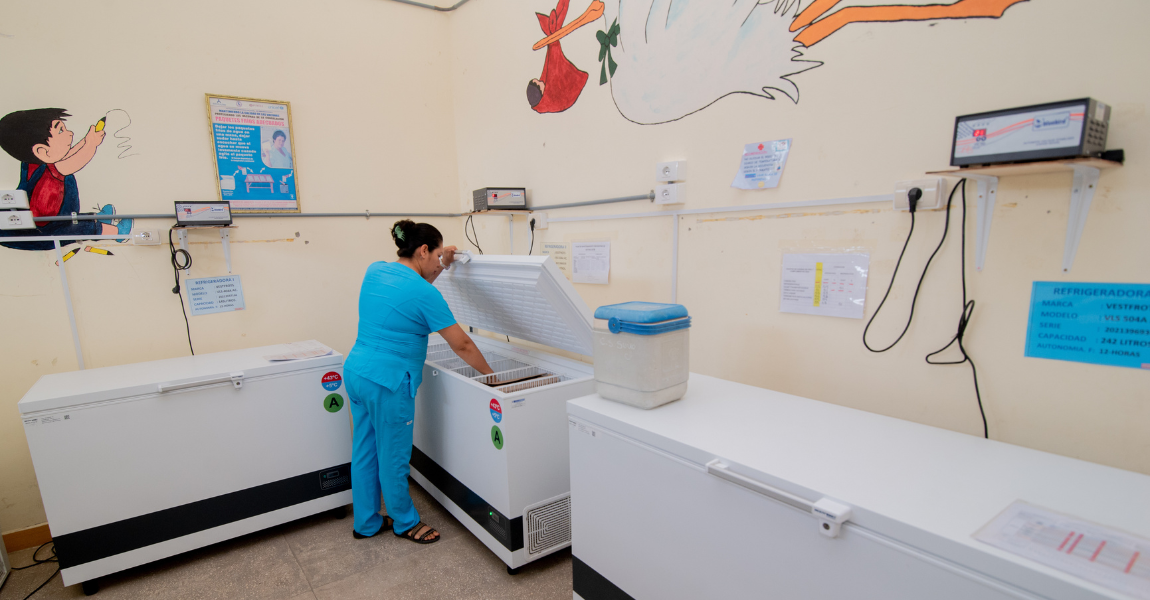
In Peru, nearly the entire country has access to electricity, but in some regions the reliability of the grid remains limited, with frequent outages and blackouts lasting from minutes to hours. For local health centers, the consequences are significant: higher mortality rates, loss of medicines, and reduced quality of care.
Thanks to the installation of numerous solar panels and a solar-powered backup generator, these centers have achieved energy autonomy. Each of them contributes to:
- SDG 7: Sustainable and reliable energy,
- SDG 3: Improved health,
- SDG 10: Reduced inequalities,
- SDG 13: Climate action.
IECD, TEV: The Power of Education
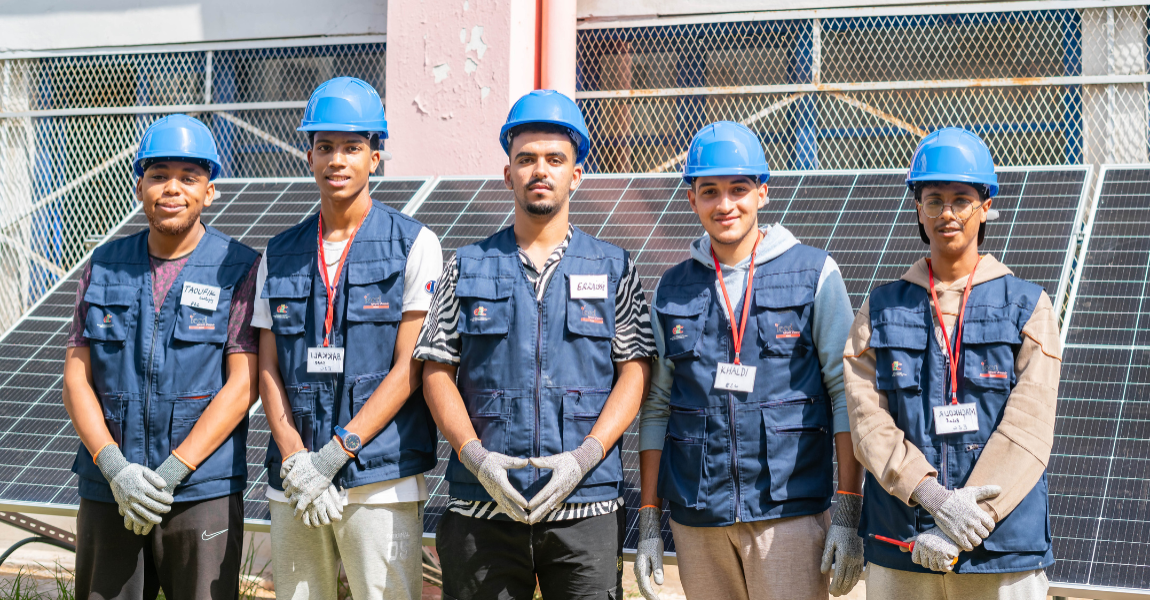
In the Middle East, our initiatives with IECD and TEV help train hundreds of electrical technicians each year. In Lebanon and Turkey, many young people—especially young women—are able to enter the job market with a diploma, skills, and initial professional experience, thanks to the joint efforts of the Foundation, Nexans Turkey, and Liban Cables.
South America: Light Serving Vulnerable Communities
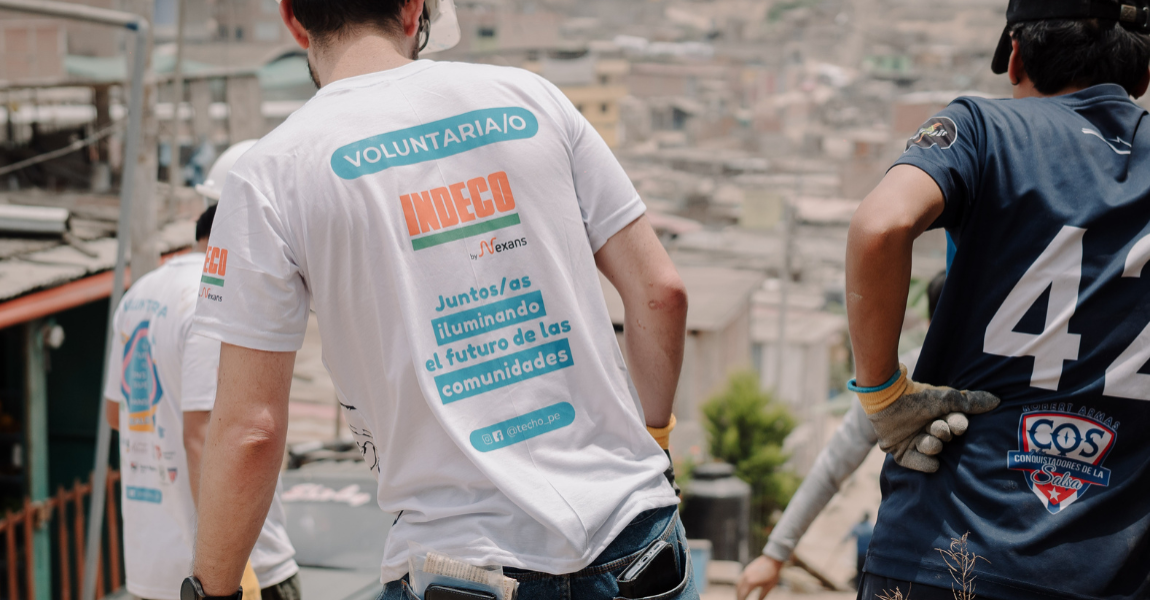
In Latin and South America, public lighting installations for vulnerable communities in Brazil, Chile, Colombia, and Peru contribute to reducing inequalities. By working in rural or marginalized areas, the Foundation helps bridge territorial and social gaps. Electrification connects isolated populations to essential services and economic opportunities. Solar-powered public lighting projects in vulnerable neighborhoods improve safety, reduce risks linked to informal electrical installations, and strengthen community resilience. These initiatives help make urban spaces safer and more inclusive.
An Integrated and Sustainable Approach
For the Fondation Nexans, energy is never an end in itself. It is a cross-cutting lever that simultaneously impacts multiple dimensions of human development.
This is why every supported project must contribute to several SDGs and follow a sustainable approach:
- Involvement of local communities,
- Transfer of skills,
- Long-term viability of solutions,
- Measurable long-term impact.
Lighting the Future, Together
By aligning with the Sustainable Development Goals, the Fondation Nexans takes concrete action to address global challenges while providing local solutions.
Each supported project demonstrates that access to energy can sustainably transform lives: lighting a school, securing a neighborhood, boosting the local economy, or opening new opportunities for women and young people.