- About
-
Projects
- Projects
-
Projects in Africa
- Overview
- Connecting off-grid girls to off-grid energy
- Regional hospital centre electricity project
- Installing photovoltaic systems and creating a MOOC for training
- Improvement of working conditions for women in Senegal
- Connection of the hospital centers of Beni
- Women Solar Academy
- Acteurs
- Solar energy for better health in Ivory Coast
- Rural entrepreneurship around innovative productive uses of electricity
-
Projects in Latin America
- Overview
- Provide solar photovoltaic systems to families living off-the-grid
- Provide accessibility for rural communities to a low-voltage electrical sytem
- Installation of solar panels for the Resilient Medical Centers
- Solar street lights installation in Bongaba
- Luz al Barrio
- Electrical Kits for houses
- Building safe community places
- Multi-regional project
- Partners
- Newsroom
- Call for Projects
- Contact us
Projects
Sustainable Development in Laos: The Rice-Fish Farming Model Transforming Rural Communities
Apr 27, 2026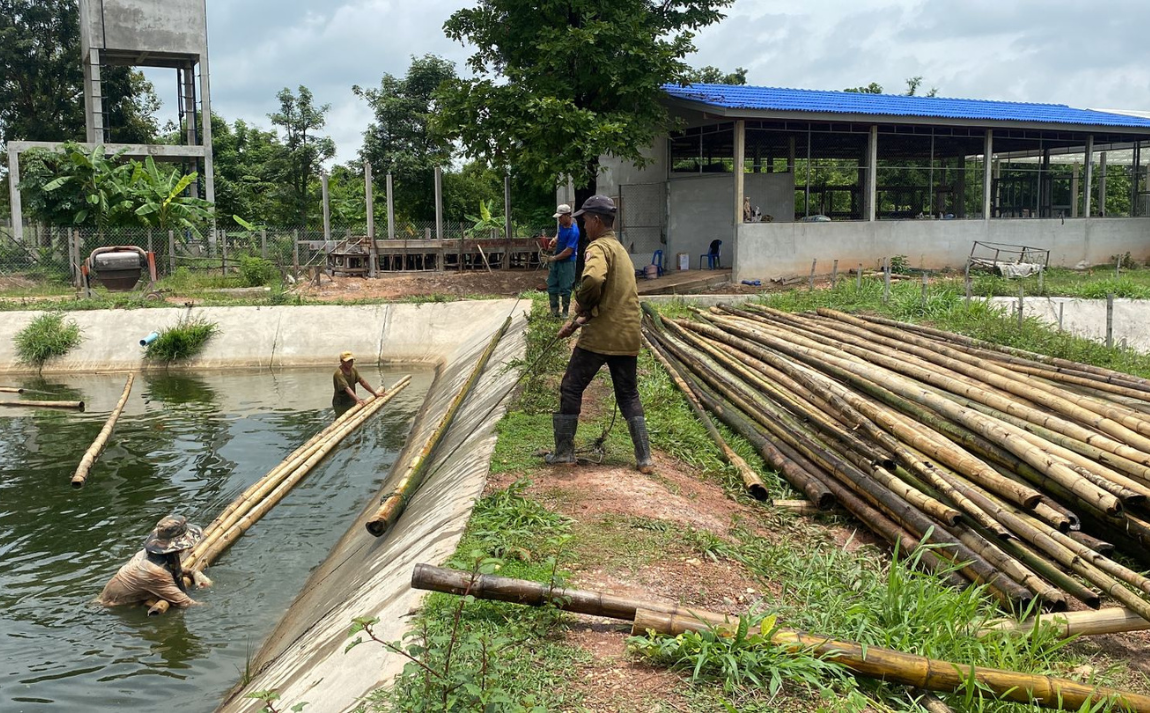
The rice-fish farming pond is the starting point of the Mekong projects
What if rice fields could also become fish farming ponds? In Laos, the association Mekong, Children of the Rice Fields is developing an innovative approach that combines rice-fish farming, training, and electrification with support from the Nexans Foundation. A sustainable model that could inspire beyond borders. Interview with its founder, Franck Secchiaroli.
Can you introduce yourself?
My name is Franck Secchiaroli, founding president of the association Mekong, Children of the Rice Fields, created in 2014. Today, the association includes around twenty volunteers in France and about ten people in Laos. We are all volunteers, with no salaried staff, but with strong involvement, particularly in administration, partnerships, and project monitoring.
A unique connection to Laos and its people
Where does your commitment come from?
My commitment stems from a personal experience. In 2008, as part of a degree in aquaculture, I completed an internship in Laos with CIRAD. I was supposed to stay six months… I ended up staying three years. I worked on fishing techniques and fish reproduction in the Mekong River, in direct contact with village communities.
That contact was decisive. Back in France, I continued working in logistics while moving closer to the humanitarian sector, notably through training with Médecins Sans Frontières. But I maintained a strong connection with Laos, returning twice a year to monitor projects.
At some point, I decided to fully commit. I left my job to dedicate myself 100% to humanitarian work and structured the association. Today, I am also pursuing a master's degree in international humanitarian program management and development to complement field experience with academic recognition.
How was the association created?
It all started with a simple question from villagers: “What can you bring us to help us earn money?”
From there, I worked on a solution based on my skills in aquaculture and logistics: something simple, accessible, replicable, and low-cost. That’s how rice-fish farming was born—raising fish directly in rice fields.
We then built a broader project: an agroecological center in the rice fields where people can be trained, hosted, and supported. They return home with knowledge—and fingerlings—to replicate the model.
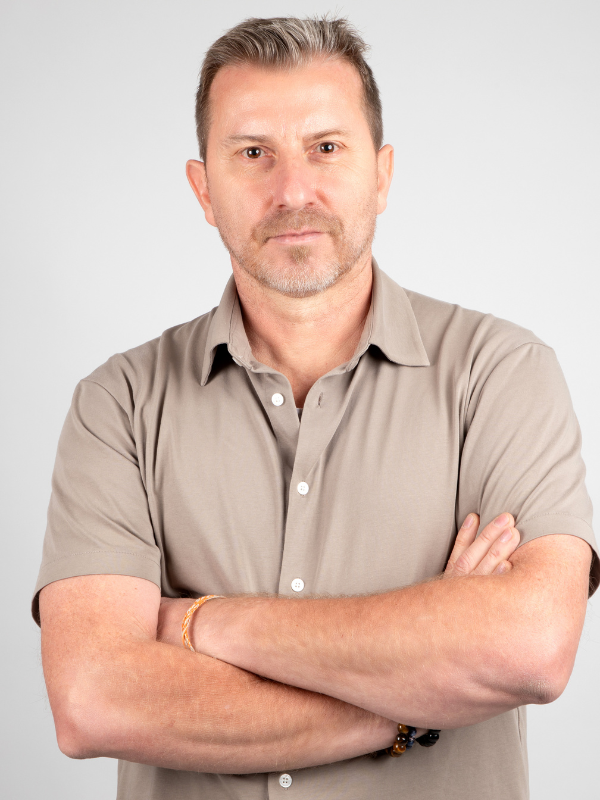
“ I worked on a solution based on my skills in aquaculture and logistics: something simple, accessible, replicable, and low-cost. That’s how rice-fish farming was born—raising fish directly in rice fields. ”
Franck Secchiaroli
Mekong, Enfants des Rizières founder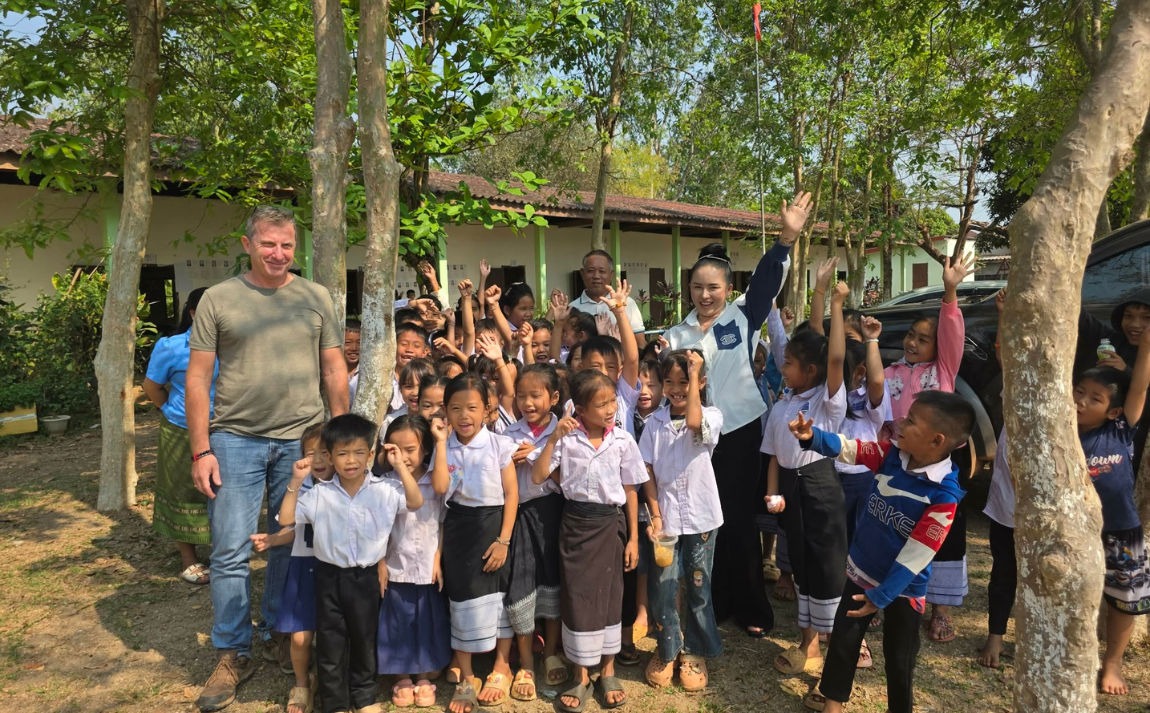
Create the conditions for economic and human development
What does the project consist of?
It is both a local development initiative and a training center, working on several areas:
-
Rice-fish farming
- Fingerling production
- Aquaponics and market gardening
- Feed production (fly larvae, crickets)
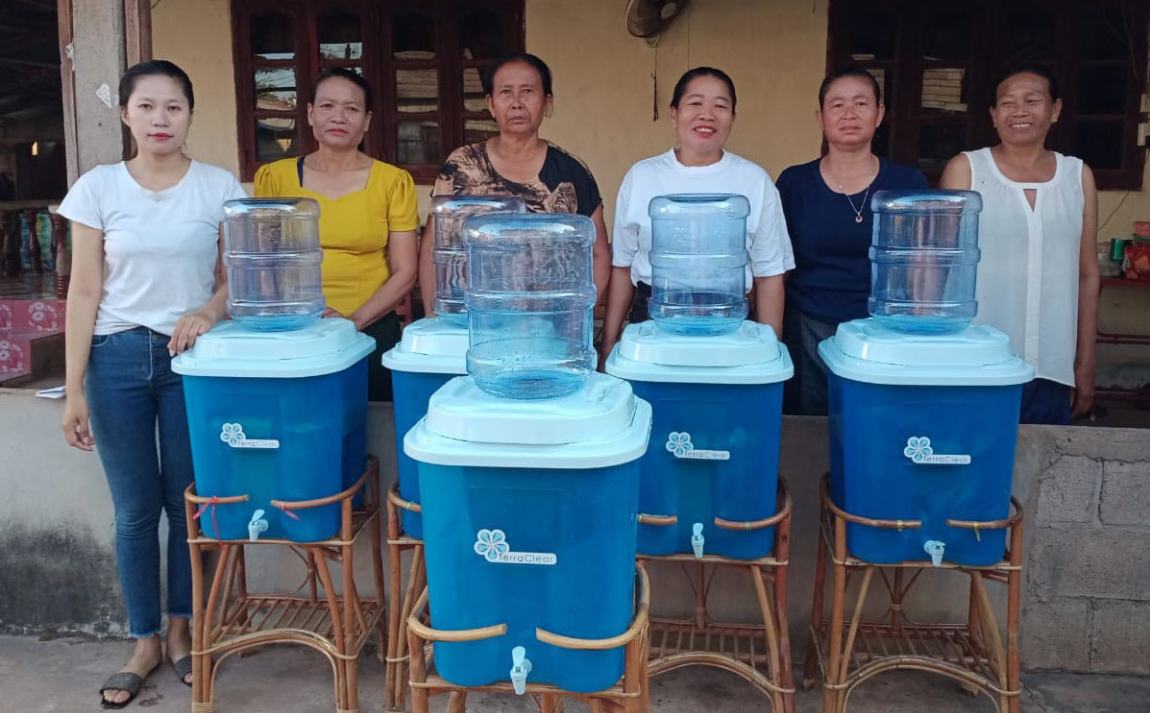
- Access to drinking water and sanitation
- Inclusion, especially for women with disabilities
The center is designed as a circular ecosystem, where everything is interconnected.
Why this region of Laos?
Located near Vientiane, about 35 km from the capital, it offers:
-
Proximity to the Mekong River
-
Market access
- Logistical ease
- Nearby partners
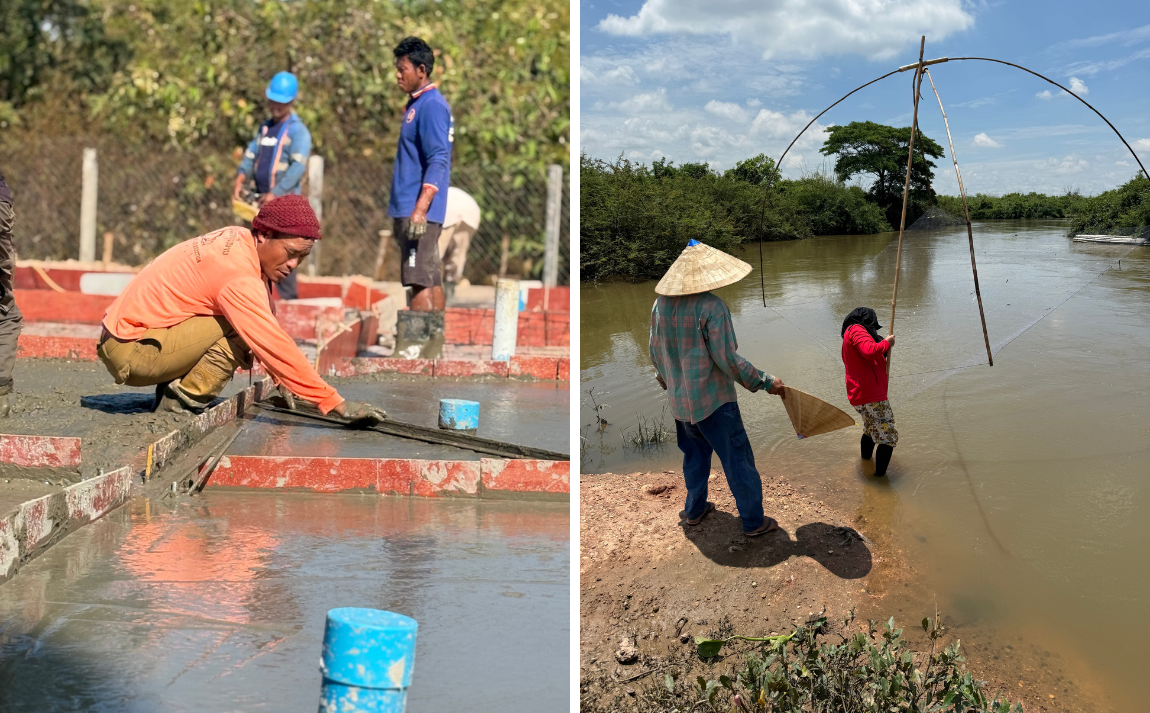
Initially, the site had no water or electricity—just rice fields and a dirt road.
What are the main challenges for local populations?
The key need is income generation. Since COVID, inflation has doubled the cost of living. Infrastructure is weak, jobs are scarce, and education levels are often low. There are also challenges in access to water, electricity, and sustainable farming techniques.
Yet the country has strong assets: natural resources, the Mekong River, and a deep agricultural culture.
Transform a project into a success
What does the project supported by the Nexans Foundation involve?
The project aims to create a self-sufficient agroecological center in the heart of the rice fields, capable of operating sustainably while training local populations.
It is an ambitious project, because everything had to be built from the ground up: water access, infrastructure, production systems, training—and above all, electricity.
Why? Isn’t there electricity in Laos?
Officially, 100% of the country has access to electricity. But in reality, the situation is quite different.
In rural areas, many villages still lack access. And even where electricity is available, outages are frequent—sometimes lasting several hours a day. That is why renewable energy solutions are essential, particularly to ensure the autonomy of the site.
Without electricity, the project simply cannot function.
It is essential to:
- Run water pumps
- Power hatchery systems
- Ensure oxygenation of the ponds
- Provide lighting for the center
- Produce and preserve resources
But beyond electricity itself, the real challenge is enabling beneficiaries to develop income-generating activities. Electricity becomes a true lever for development.
What are the success indicators?
For me, the project is already a success in several ways:
- The logistics chain (procurement, transport, installation) has worked effectively
- Infrastructure is in place
- Partnerships are growing
However, full success will be achieved when:
- The center is fully operational (target: 90% by the end of the year)
- The number of beneficiaries continues to grow
- Training programs become autonomous and replicable
- The model can be duplicated in other regions
Rice-fish farming is central to the project. Can you explain what it is?
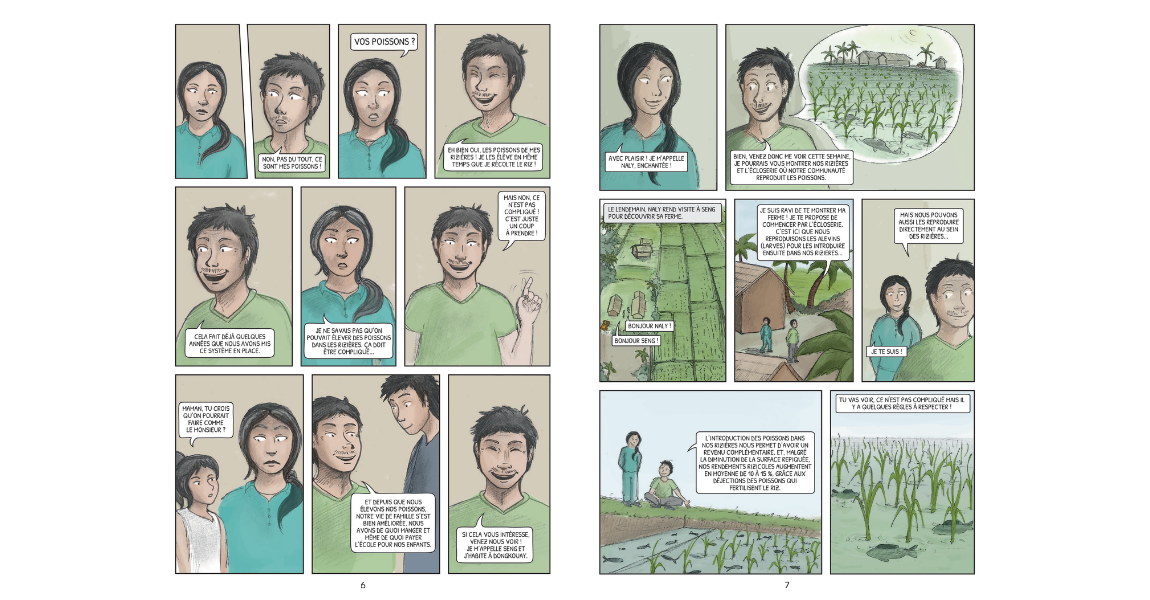
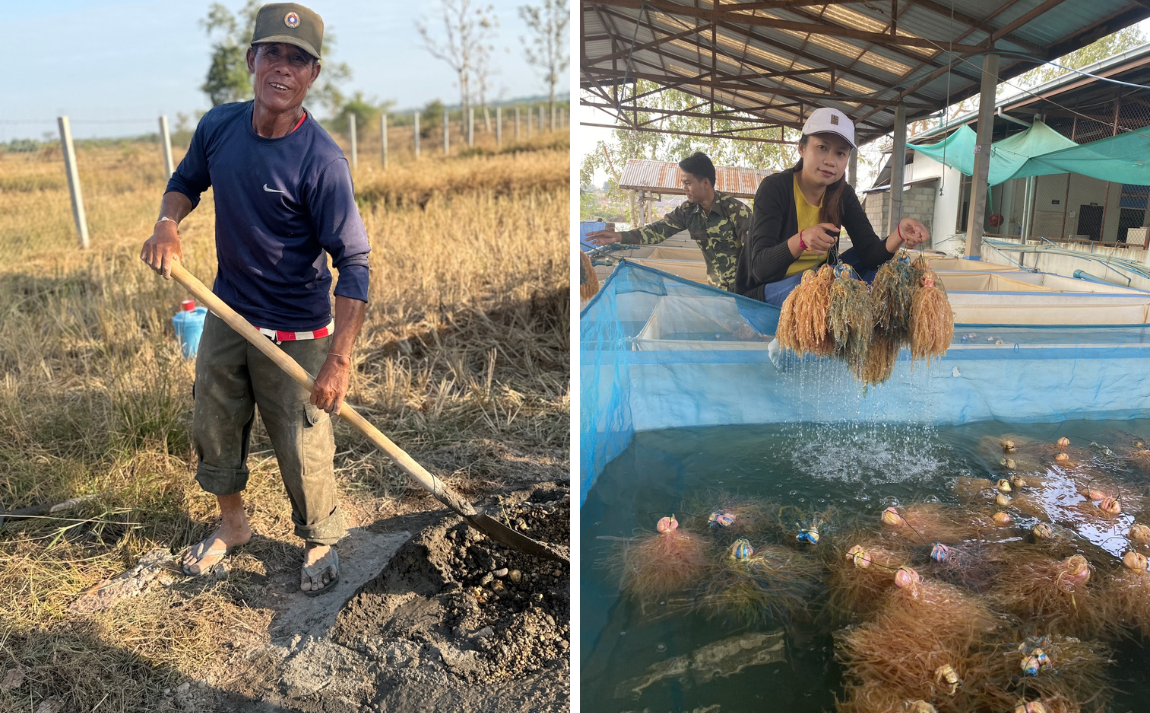
Rice-fish farming involves raising fish directly in rice fields.
In practical terms, a refuge canal is dug within the rice field, and suitable fish species (such as tilapia or catfish) are introduced. The fish grow in the water alongside the rice, coexisting until harvest time.
It is a simple, low-cost, and highly effective technique:
- It provides protein for families
- It generates additional income
- It integrates seamlessly into local farming practices
The main challenge was access to fingerlings, which were often imported. That is why we developed a local breeding system.
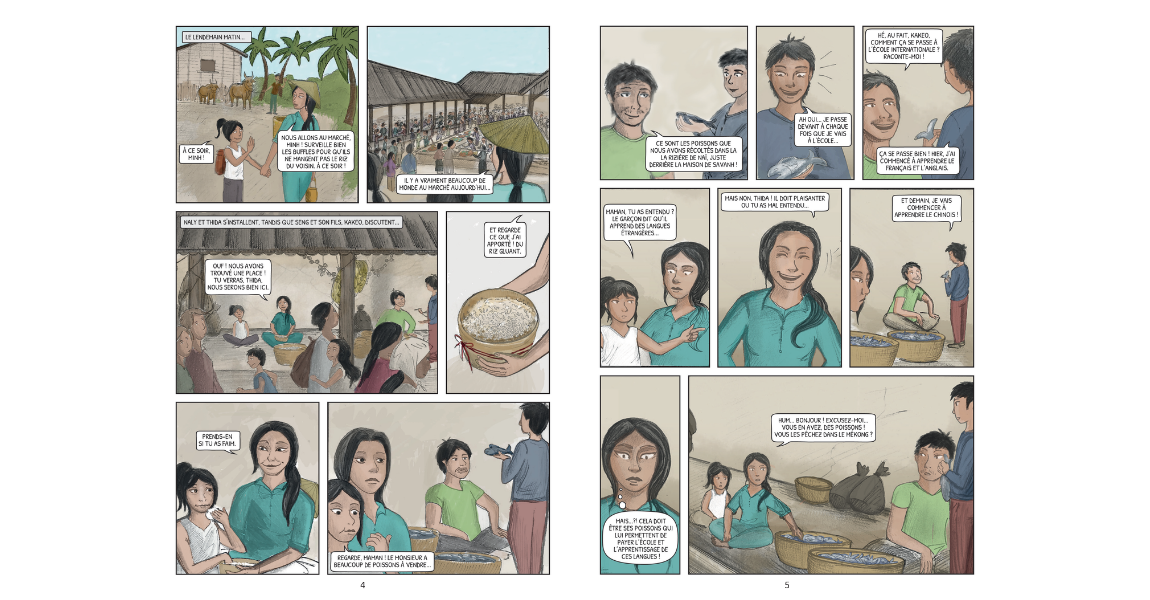
An original way to communicate on the story
Why did you choose comics to tell this story?
Images are a universal language. In Laos, not everyone can read.
We met people—including close relatives of our team members—who could neither read nor write. So we needed a tool that was accessible, visual, and understandable by everyone.
Comics allow us to convey messages in a simple and engaging way. However, this large-scale project was also entirely volunteer-driven.
We assembled a team:
- One person for the illustrations
- Another for coloring
- One for graphic design
The work was carried out over several years, in everyone’s spare time.
We then worked with Lao students to translate the comic into the local language. This was both empowering for them and essential for disseminating the project locally.
What has been the reaction to this format?
The response has been very positive.
The comic is easy to understand, even for non-expert audiences. It has already been distributed in France and received an excellent reception. It will soon be distributed in Laos, which should significantly increase its impact.
It also opens doors—with institutions, partners, and even in cultural events.
What is your overall assessment of the project so far?
It is, above all, a human adventure.
The goal is not just to provide electricity or infrastructure, but to enable people to become autonomous, to generate income, and to sustainably improve their living conditions.
Ultimately, that is the true heart of the commitment.