- About
-
Projects
- Projects
-
Projects in Africa
- Overview
- Connecting off-grid girls to off-grid energy
- Regional hospital centre electricity project
- Installing photovoltaic systems and creating a MOOC for training
- Improvement of working conditions for women in Senegal
- Connection of the hospital centers of Beni
- Women Solar Academy
- Acteurs
- Solar energy for better health in Ivory Coast
- Rural entrepreneurship around innovative productive uses of electricity
-
Projects in Latin America
- Overview
- Provide solar photovoltaic systems to families living off-the-grid
- Provide accessibility for rural communities to a low-voltage electrical sytem
- Installation of solar panels for the Resilient Medical Centers
- Solar street lights installation in Bongaba
- Luz al Barrio
- Electrical Kits for houses
- Building safe community places
- Multi-regional project
- Partners
- Newsroom
- Call for Projects
- Contact us
Foundation
Energy & Equality: How the Fondation Nexans Is Transforming Women’s Lives Around the World
Mar 7, 2026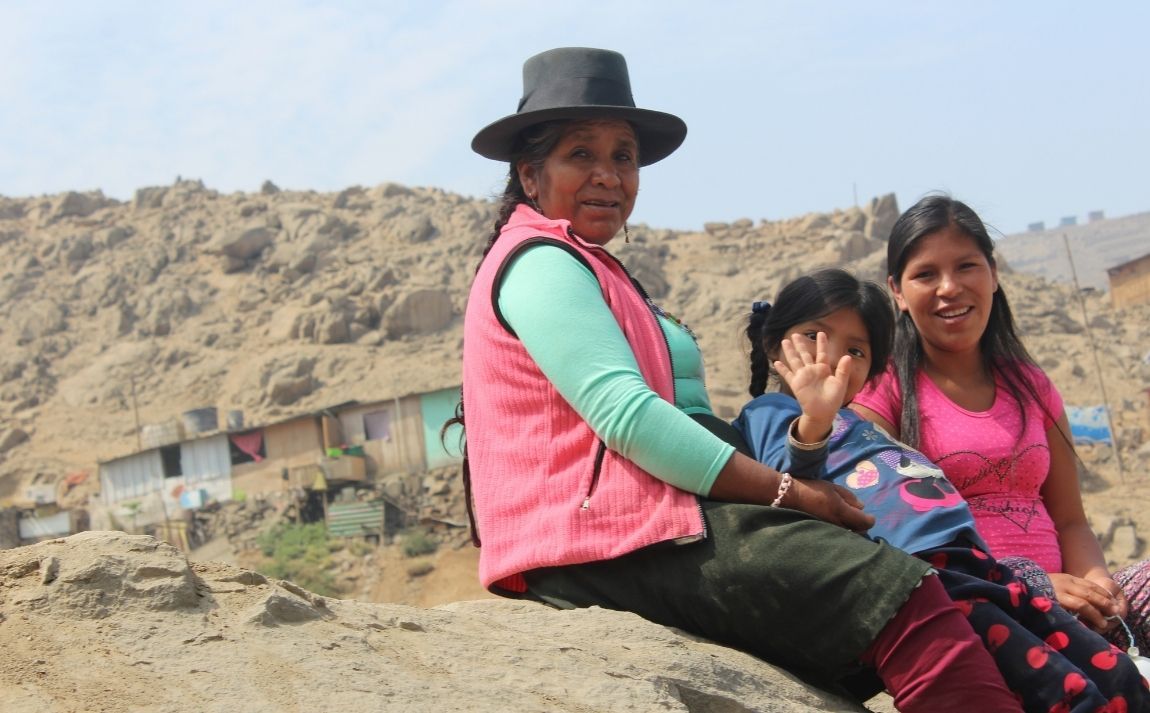
By supporting different life paths, the Fondation Nexans works for all
Walking safely at night, learning a profession, earning a decent living. These are fundamental rights that many women are still denied in several regions of the world. In sub-Saharan Africa and South America, the Fondation Nexans works for all women. Gender equality is a pillar; rights, justice, and action are its foundations.
Since 2013, the Fondation has supported NGOs that facilitate access to education, employment, entrepreneurship, and essential services such as water and electricity. Alongside them, it builds sustainable projects that foster empowerment as well as economic and social development. Rights, justice, action: these three words resonate deeply with its work in the field.
Rights: Education and Employment as Drivers of Independence
Despite progress in some countries, inequalities between women and men remain profound worldwide — particularly in access to education, technical skills, and stable employment. These gaps create concrete obstacles to women’s economic autonomy and their full participation in social and professional life.
of illiterate people are Women (source : UNESCO)
of working age women are employed
million women are prevented from entering the labor market due to family constraints
By 2030, the international objective is clear: significantly increase the number of young people and adults with technical and vocational skills that promote decent work and entrepreneurship.
So how can Nexans contribute? By supporting local actors on the ground.
Working alongside partner NGOs such as POSODEV, Techo Colombia, Geres, and Electriciens sans frontières, the Fondation Nexans supports electrification and training initiatives in Latin America and sub-Saharan Africa.
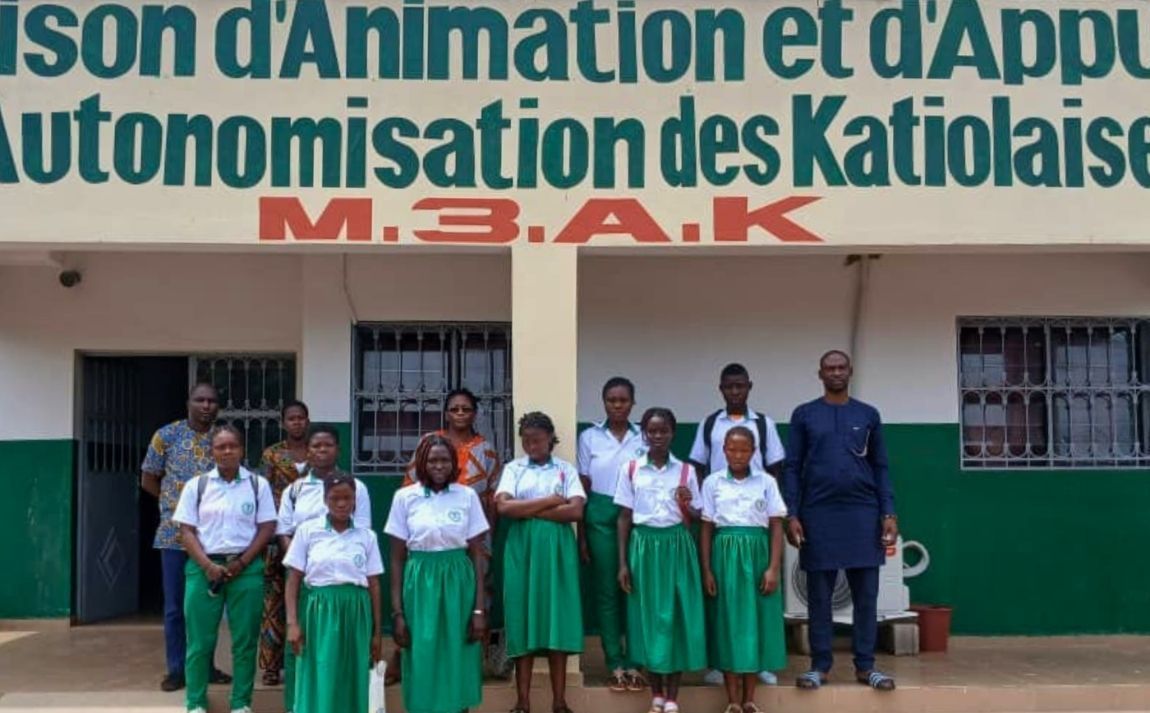
In Côte d’Ivoire, POSODEV provides a powerful example. In 2024 and 2025, the Fondation supported the electrification of the Maison d’Animation et d’Appui à l’Autonomisation des Katiolaises (M3AK), as well as seven households in the village of Katiola.
The impact is twofold:
- Providing access to sustainable electricity for disadvantaged communities
- Improving learning conditions for the young women hosted at the center
More than one hundred young women have acquired skills that are valuable in the job market. Awa Touré, 19, shares her experience:
“Thanks to the entrepreneurship training I completed, I gained concrete financial management skills. Today, I manage my business finances much better.”
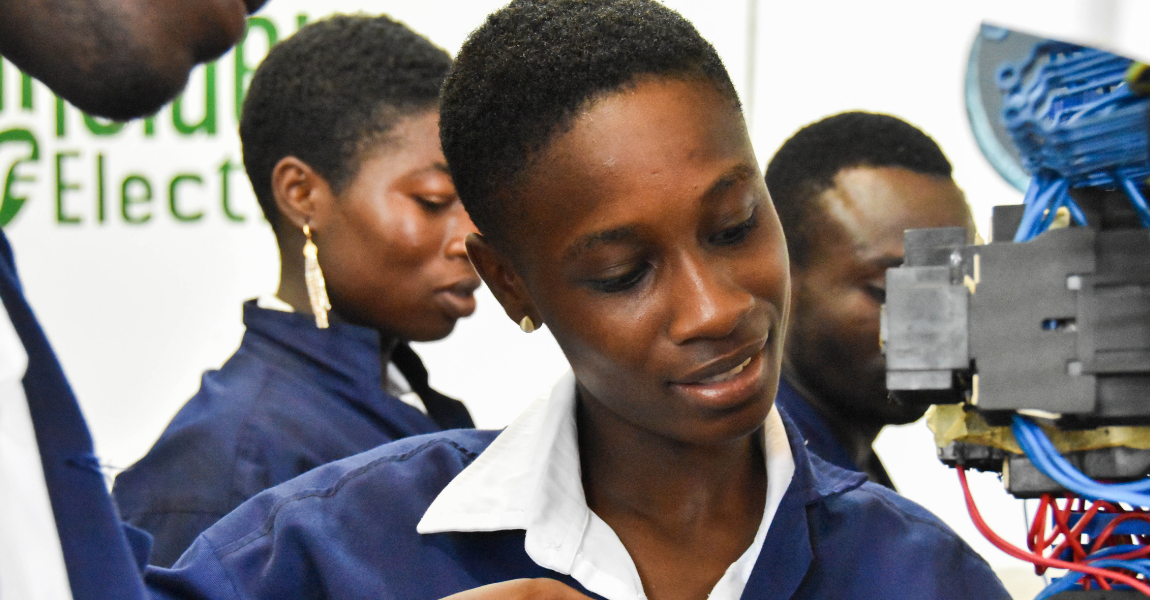
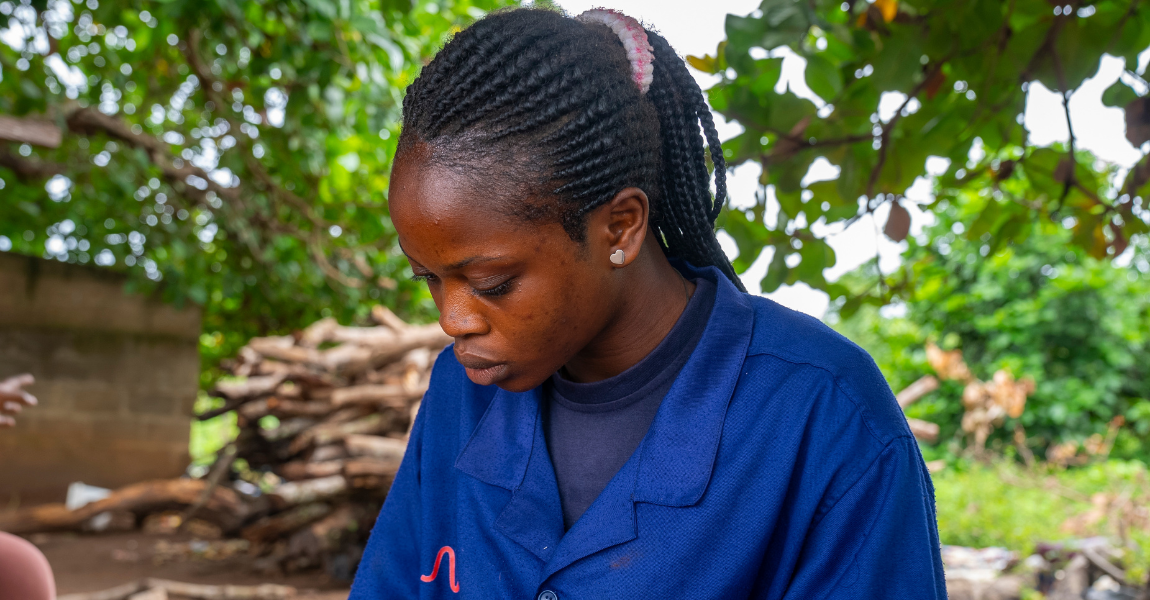
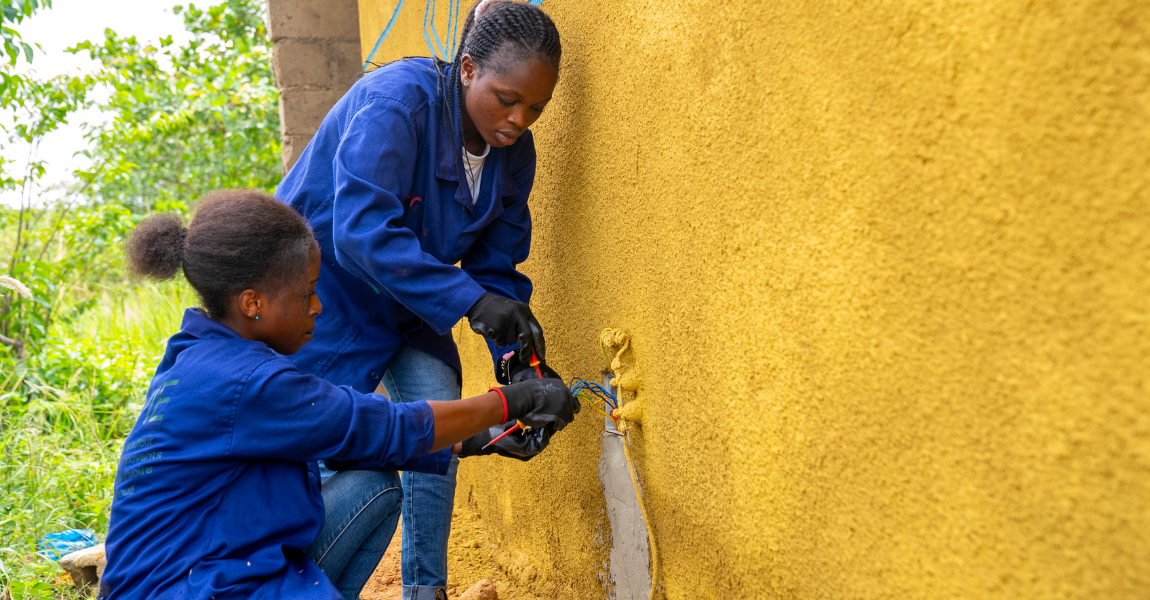
Still in Côte d’Ivoire, the MAEVA project led by Fondem enabled five young women to become electricians in a field that remains largely male-dominated. Irène Simporé explains:
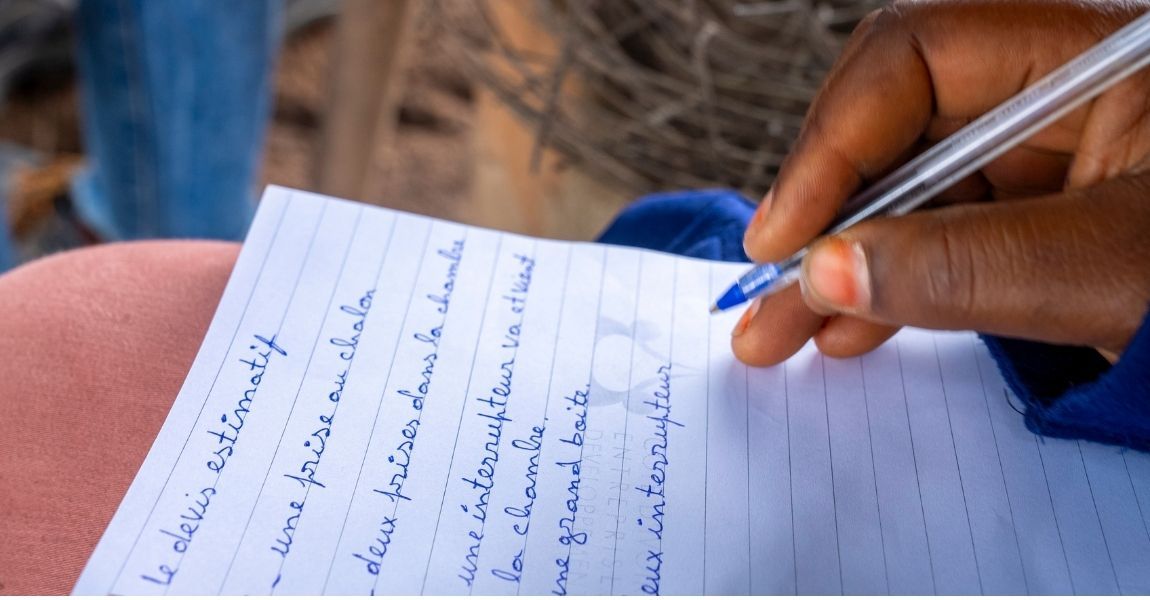
“The training allowed me to learn the trade. Today, thanks to it, I have become independent and a source of pride for my family. I can prepare quotes, carry out electrical installations for buildings, and manage my business.”
Behind these journeys lies a shared reality: access to energy and training paves the way to independence.
Justice: Electricity in the Service of Safety
Can we speak of justice without safety? For many women around the world, fear still limits mobility, opportunities, and participation in social life.
Justice also means safer public spaces.
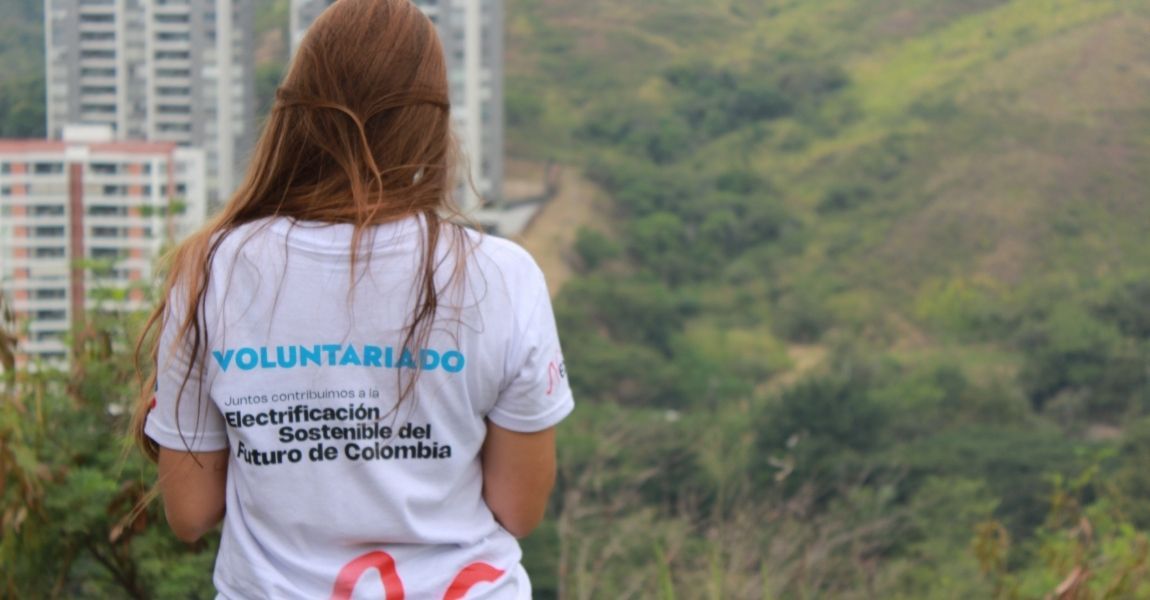
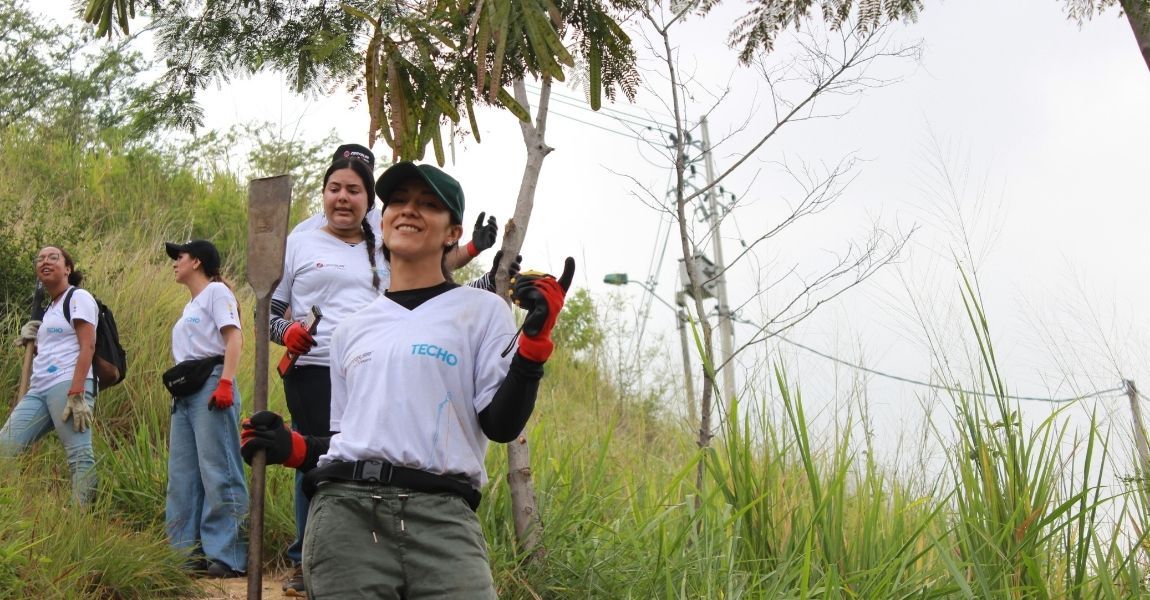
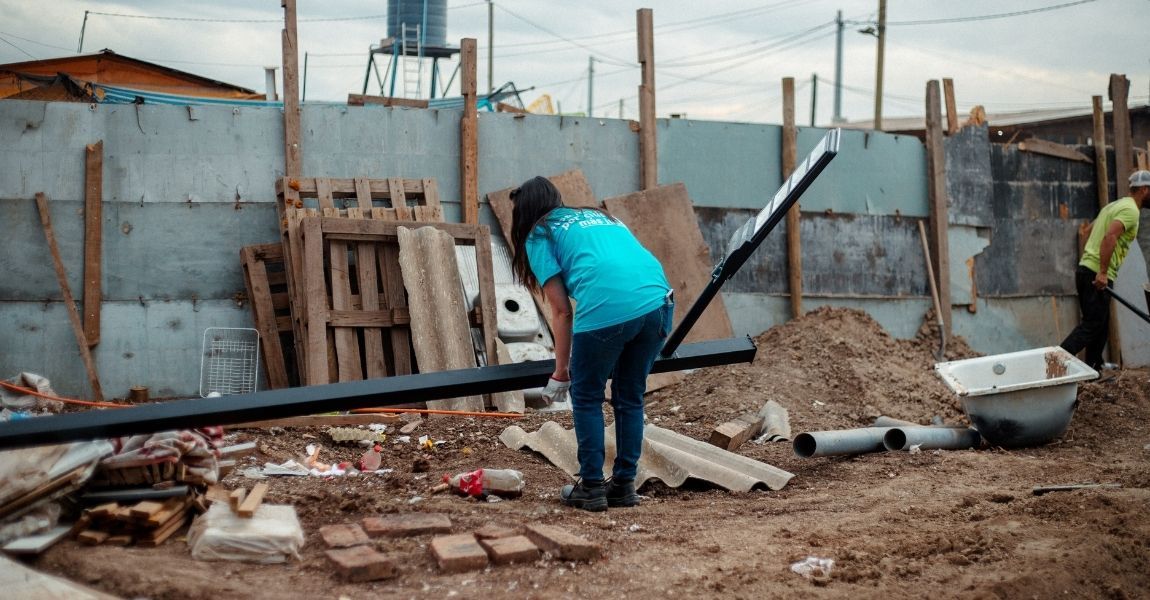
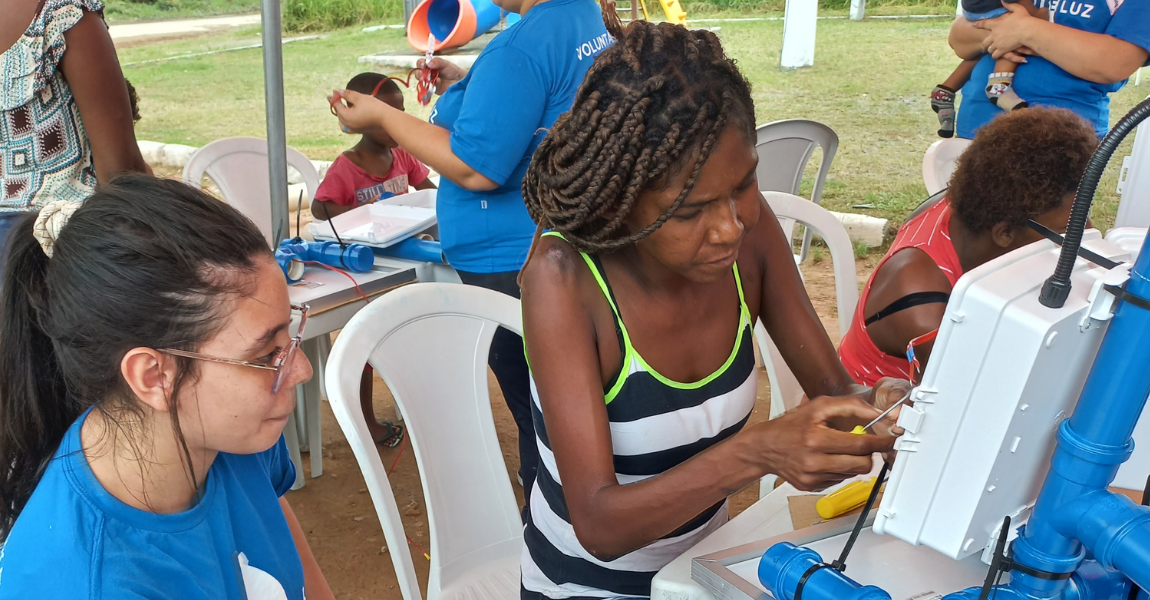
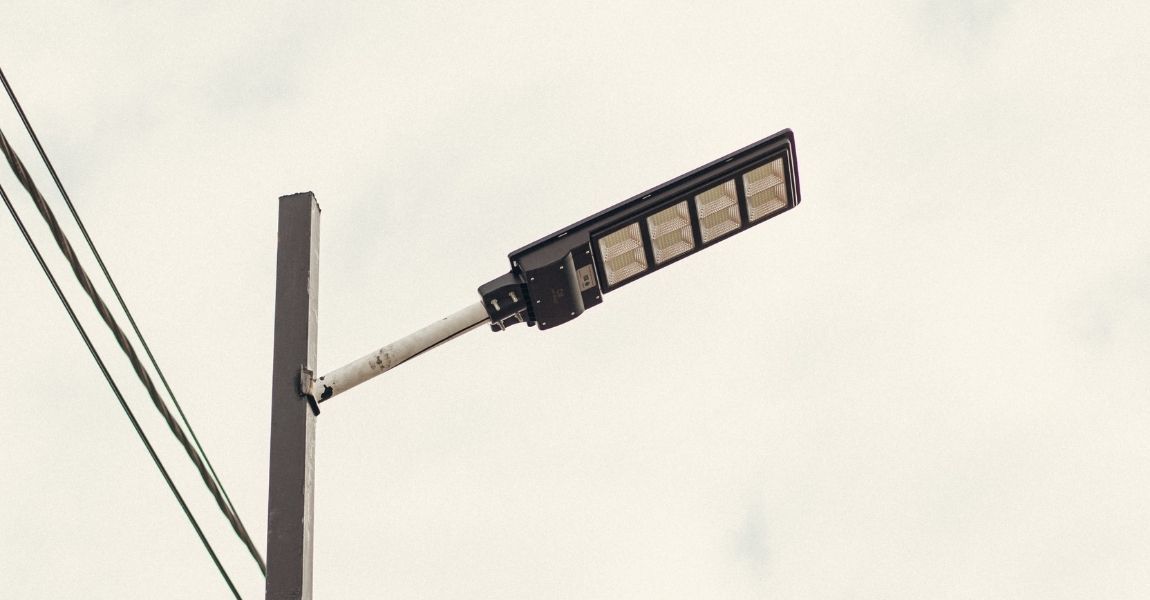
In South America, the Nexans Foundation has been working for several years with TECHO and Litro de Luz to light disadvantaged neighborhoods in Bogotá, Cali, Lima, and Rio de Janeiro.
By funding the installation of solar streetlights in areas once plunged into darkness, the Foundation helps transform daily life for residents. Upstream, NGOs mobilize communities, identify needs, and support the implementation of solutions.
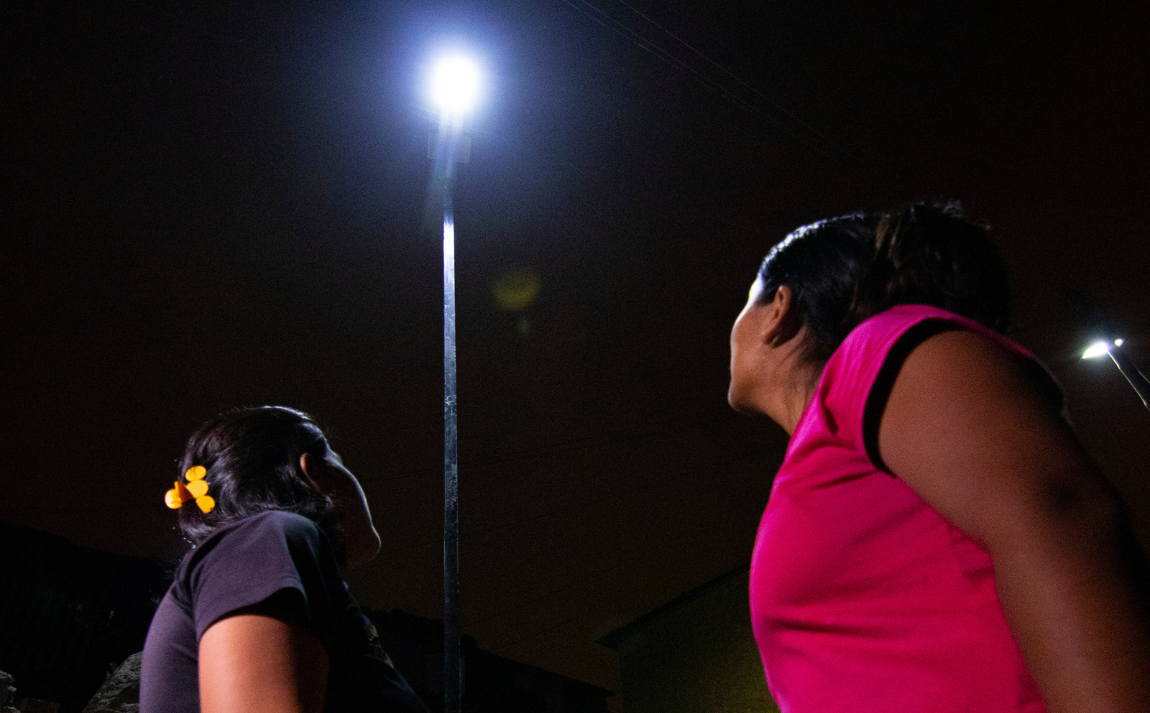
For women and children, the effects are immediate: greater freedom of movement, increased participation in social life, and above all, a stronger sense of security.
A resident of Medellín shares:
“Now that we have these solutions, our daily lives are changing. Thanks to the lights, there is more security: for the community, for women, and for children.”
In Cali, Leonora Malez Gamboa, a community leader, observes:
“I have seen a huge change in the community’s sense of safety since the lights were installed. I was even asked to install more after a particularly serious incident. Today, as a woman, what I feel is peace of mind. People can move around, attend parties, return home late without fearing dark areas.”
Lighting up a space is about much more than installing streetlights: it is about restoring confidence and freedom.
Action: Turning Energy into Empowerment
Rights and justice take on their full meaning when translated into concrete action. Through its Foundation and partners, Nexans puts its energy expertise at the service of projects that directly transform women’s daily lives.
In Senegal, the EGALES project led by Fondem provides a strong illustration. Designed as a replicable model, it aims to improve the working conditions of women market gardeners in Casamance through an electrified irrigation system combined with training in management and entrepreneurship.
Today, 330 women benefit from improved conditions to cultivate their land. More regular production means more stable income, greater financial autonomy, and a stronger role in the local economy.
Fatou Bintou Sané shares her experience:
“Thanks to the EGALES project, I have learned many things. I understood the importance of farming. I feed my family and also sell at the market. This gives me access to income — I no longer have to wait for my husband to return to ask him for money.”
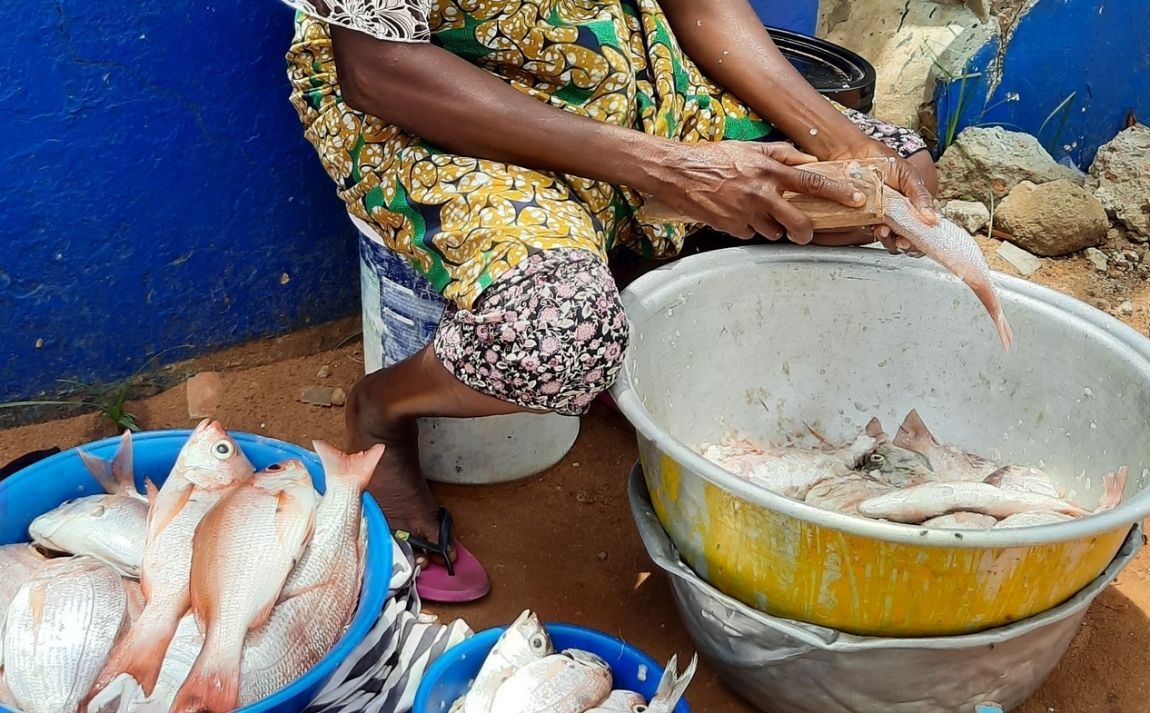
In Guinea, in collaboration with Electriciens sans frontières, the Fondation Nexans has also helped improve access to drinking water and more reliable electricity. By reducing the time spent fetching water and limiting power outages, these projects free up time for training, economic activities, and community engagement.
Beyond Energy: A Lever for Social Transformation
Through these initiatives, the Fondation Nexans demonstrates that energy can become a powerful driver of sustainable development.
Promoting women’s rights, advancing justice, and taking action: these three pillars structure a clear vision — providing electricity is a means of creating the conditions for lasting social transformation.
Behind every electrical installation, every training session, every awareness workshop, there are lives evolving. Women gaining confidence. Families envisioning new futures. A new generation of girls able to imagine a freer and more equitable tomorrow.
On March 8 — and every day of the year — the Fondation Nexans works to ensure that rights become reality, that justice is lived daily, and that action paves the way toward equality.