- About
-
Projects
- Projects
-
Projects in Africa
- Overview
- Connecting off-grid girls to off-grid energy
- Regional hospital centre electricity project
- Installing photovoltaic systems and creating a MOOC for training
- Improvement of working conditions for women in Senegal
- Connection of the hospital centers of Beni
- Women Solar Academy
- Acteurs
- Solar energy for better health in Ivory Coast
- Rural entrepreneurship around innovative productive uses of electricity
-
Projects in Latin America
- Overview
- Provide solar photovoltaic systems to families living off-the-grid
- Provide accessibility for rural communities to a low-voltage electrical sytem
- Installation of solar panels for the Resilient Medical Centers
- Solar street lights installation in Bongaba
- Luz al Barrio
- Electrical Kits for houses
- Building safe community places
- Multi-regional project
- Partners
- Newsroom
- Call for Projects
- Contact us
Projects
Meet the 12 winners of the 2026 Call for Projects
Sep 25, 2026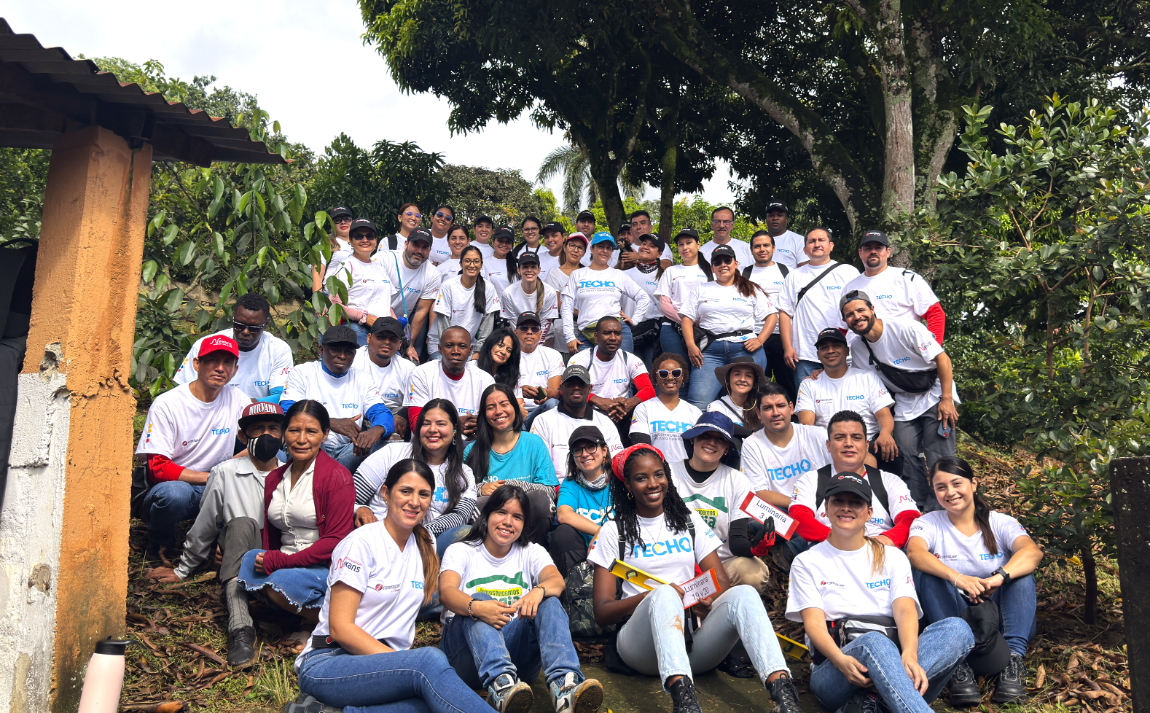
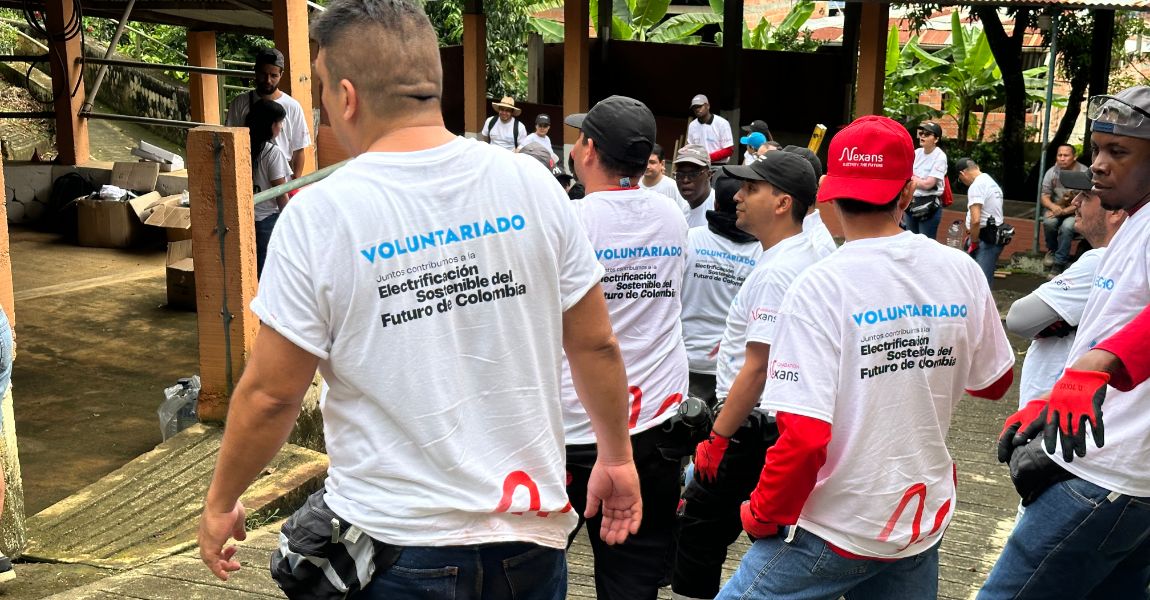
TECHO supports communities in Colombia
Humanitarian emergencies, education, safety, healthcare and local employment: sustainable electricity access is at the heart of the 12 projects selected as part of Fondation Nexans’ 14th Call for Projects. Discover the organizations chosen by the Board of Directors.
Emergencies and conflict: power to sustain essential services
Fondation Nexans is mobilized alongside its partners in 2026 to respond to the needs of populations facing emergency situations or affected by conflict.
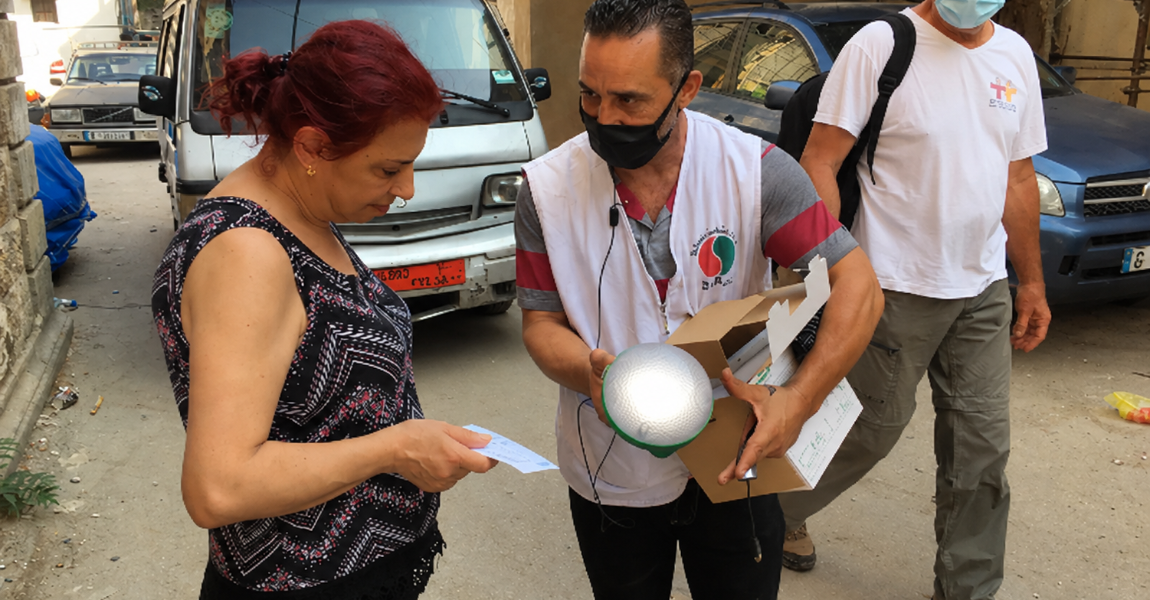
Following the double earthquake that struck Venezuela in June, Electriciens sans Frontières provides autonomous solar kits and solar lamps to families sheltered in camps and reception centers. These solutions provide safe lighting as well as the ability to charge phones and other essential equipment, bringing greater safety and autonomy to those affected.
After the earthquake that hit Colombia in August, TECHO will distribute household solar lamps adapted to emergency contexts. These also allow essential devices to be charged, helping people stay in touch with loved ones and relief organizations. Powered by their own solar panels, families will generate their own light with a reduced environmental footprint. Deployed within four days, the operation will reach 75 families, or 225 people.
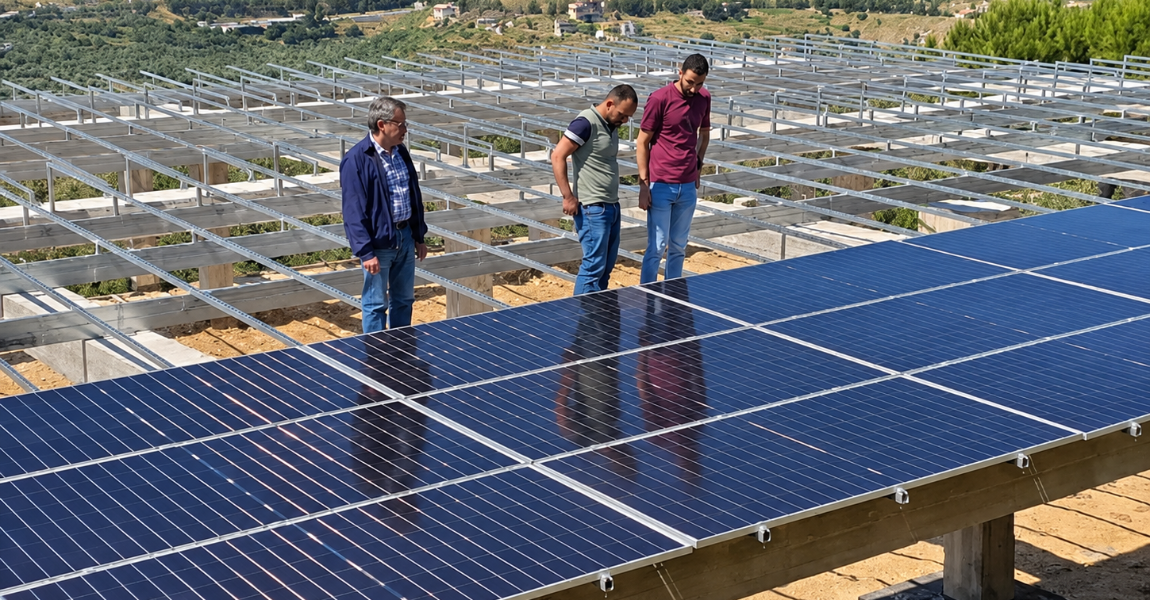
Two projects in the Lebanon combine water and solar energy. A new partner of the Fondation, HAMAP Humanitaire will support two municipalities. Following a diagnostic study, their main water and sanitation facilities will be equipped with a reliable, autonomous and non-polluting solar power source, including batteries. Staff training and maintenance are planned to ensure these installations last and that the municipalities can maintain their public service mission.
Electriciens sans Frontières is also active in the Lebanon, where conflict has damaged essential service infrastructure. The project supported by the Fondation focuses on rehabilitating two drinking water pumping stations. Following a technical assessment, faulty equipment (solar panels, inverters, batteries, electrical panels) will be repaired or replaced to secure the facilities and ensure continued access to water for the communities concerned.
Electrification of schools and youth vocational training
Access to electricity can also profoundly transform learning conditions and open new opportunities for young people. Three projects act on both fronts.
In Togo, MOI JEU TRI, a new partner of the Fondation, is leading the "Du Déchet à la Lumière 2.0" (From Waste to Light) project in the municipalities of Lacs 1 and Yoto 2. The goal: to sustainably improve learning conditions in rural, non-electrified schools by combining solar energy, the circular economy and environmental education. Individual solar lamps will be refurbished and collective solar systems installed in ten schools. Nearly 7,000 students and teachers will benefit directly from the project. In parallel, young people and women will be trained in maintaining solar equipment and managing recyclable waste, helping ensure the installations last.
In Côte d'Ivoire, a new partnership with Habitat for Humanity will transform two public primary schools located in rural cocoa-growing communities into genuine community energy hubs. The systems will light classrooms and power digital tools for 520 students and teachers, as well as water pumps and sanitation lighting, an essential point for girls' safety. After school hours, around 4,000 residents will in turn be able to benefit. Ten local technicians, 40% of them women, will be trained in solar maintenance and entrepreneurship.
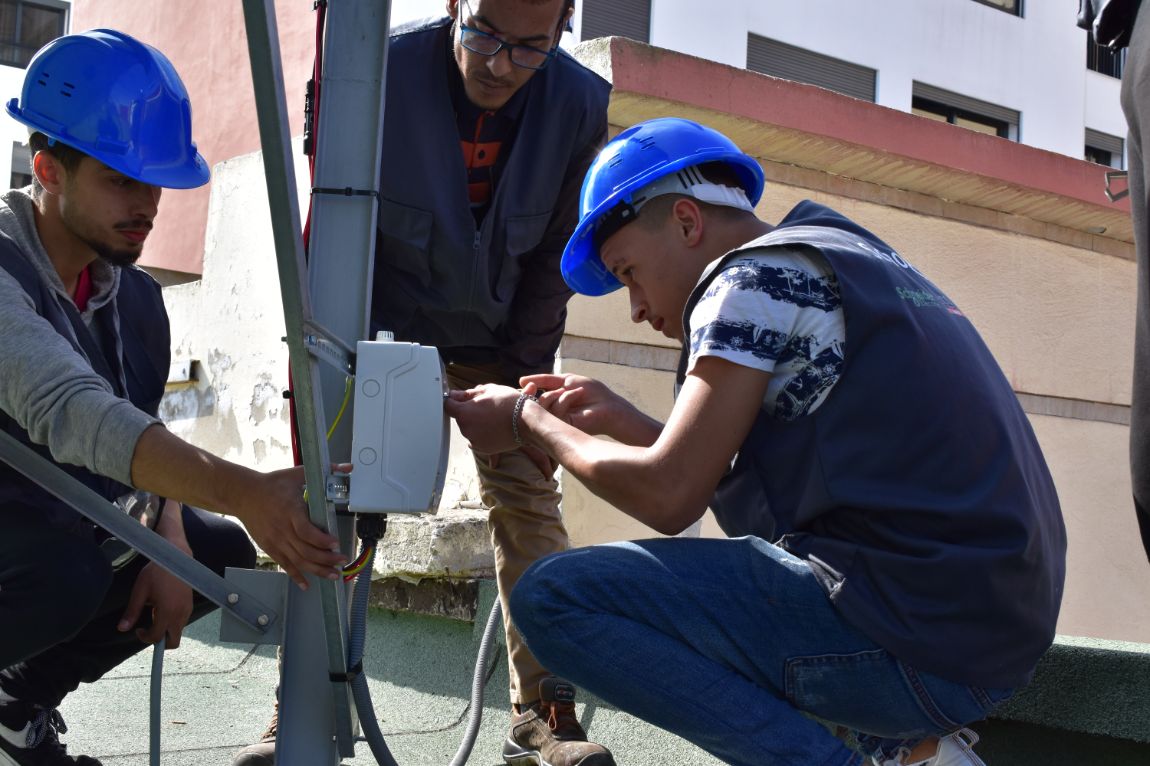
IECD (Institut Européen de Coopération et de Développement), meanwhile, is tackling the training challenge through its "Energy, Industry and Building" program, aimed at 15-to-25-year-olds, often in vulnerable situations. In Morocco, around 1.7 million young people are considered NEET: neither in employment, education nor training (UNICEF, 2022). The SOLEA+ project gives them access to quality training in electricity and solar photovoltaics, supporting six vocational training centers in Casablanca, Tetouan and Kenitra. In Côte d'Ivoire, where 40% of young people enrolled in vocational training drop out (ACET, 2023), the BT MI project (a French vocational qualification in industrial maintenance) will introduce work-study programs in two centers in Abidjan. In 2027, an "Employability for All" pilot will reach out to young people from the informal sector.
Projects supported in 9 countries
NGO's selected - 3 are new
Estimated direct beneficiaries, over 650,000 indirect
Lighting up communities to strengthen safety and autonomy
An illuminated street means fewer risks of falling, a greater sense of safety, and places for people to gather. Three projects across South America make this their priority.
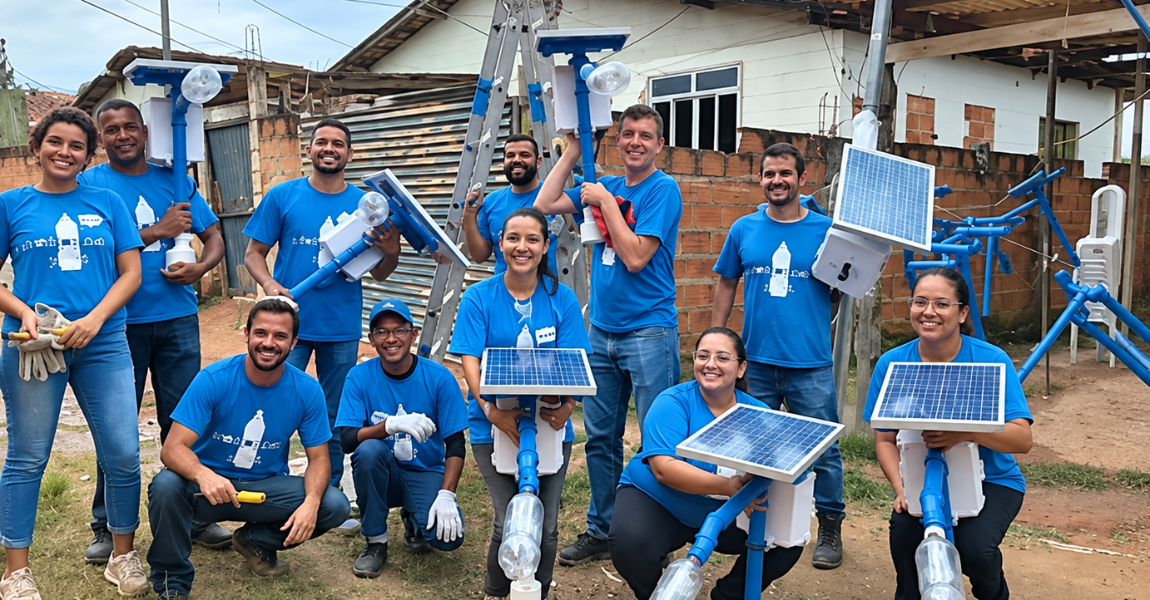
In Brazil, Fondation Nexans continues its partnership with Litro de Luz. This year, the association will work in the Quilombola community of Maria Conga, in Magé, in the state of Rio de Janeiro, where around 200 families have irregular access to electricity. Thirty solar streetlights will be installed in areas identified together with the community to improve safety, mobility and everyday life for residents. In parallel, ten residents will undergo training in installing photovoltaic systems, with some benefiting from further support toward employment in the solar energy sector - combining access to lighting, skills transfer and career prospects.
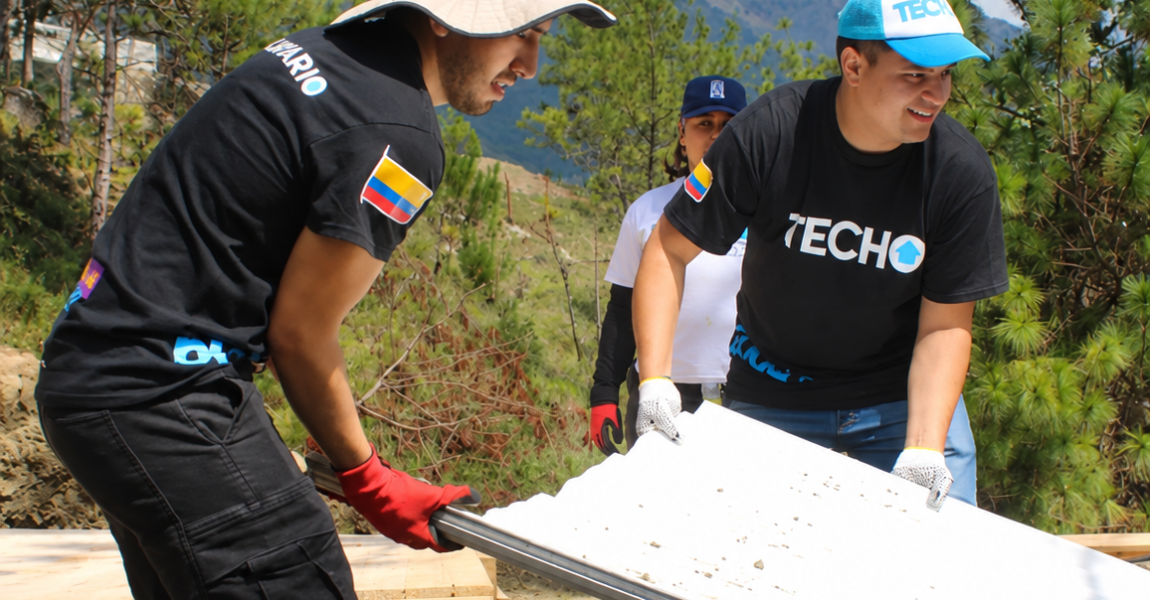
The Fondation is also renewing its support for TECHO. In Colombia, the project will be deployed across two communities: fifteen community streetlights will be installed in Roldanillo, Cali, and forty-eight individual lighting solutions, compliant with Colombian technical standards, in Riohacha, La Guajira. Powered by renewable energy, these low-consumption LED lighting solutions will help reduce the risk of falls and accidents, support evening activities (culture, sport and leisure) and strengthen cohesion within communities.
In Peru, TECHO is rolling out "Luz al Barrio" across five informal neighborhoods in Lima, in San Juan de Miraflores and San Juan de Lurigancho. Sixty solar streetlights will be installed in shared spaces (twelve per neighborhood) to reduce feelings of insecurity, limit risks linked to stairways used in the dark, and prevent the dangers of informal electrical connections. As always with TECHO, communities are fully involved in the project, strengthening their participation and ownership of the new equipment. In total, 60 residents will take part in five workshops on the safety of electrical installations.

Health and electricity: securing essential care
In northern Peru, Fondation Nexans is entering a three-year partnership with EcoSwell to strengthen the energy resilience of three rural health centers.
By installing photovoltaic systems equipped with batteries, these facilities will be able to secure the power supply essential to critical services: vaccine refrigeration, emergency care, maternity wards, laboratories and pharmacies.
Beyond installing the equipment, healthcare staff will be trained in its use and in energy management. The project brings together the community, local and regional governments, the private sector (Indeco by Nexans, Huemura, Legrand) and EcoSwell, a multi-stakeholder approach that supports the project's long-term sustainability. Agreements are planned for equipment maintenance and replacement, with the ambition of creating a replicable model for the wider Piura region.
Income and jobs: electricity at the service of decent living conditions for families
In Benin, Fondation Nexans continues its partnership with GERES to support economic activity around twelve solar mini-grids.
Despite progress in electrification, these facilities remain underused, particularly during the day. The project will support rural micro, small and medium enterprises (MSMEs) in acquiring productive equipment and making more efficient use of electricity.
This momentum is expected to help sustain at least 144 direct jobs, with particular attention paid to women's entrepreneurship, notably in food processing and sewing. By developing productive uses of electricity, the project will also help strengthen the economic viability of the mini-grids and, ultimately, make electricity access easier for the most vulnerable populations.
From emergency response to schools, from streets to health centers and rural businesses, the projects selected in 2026 illustrate a shared ambition: making access to electricity a real driver of autonomy and development.
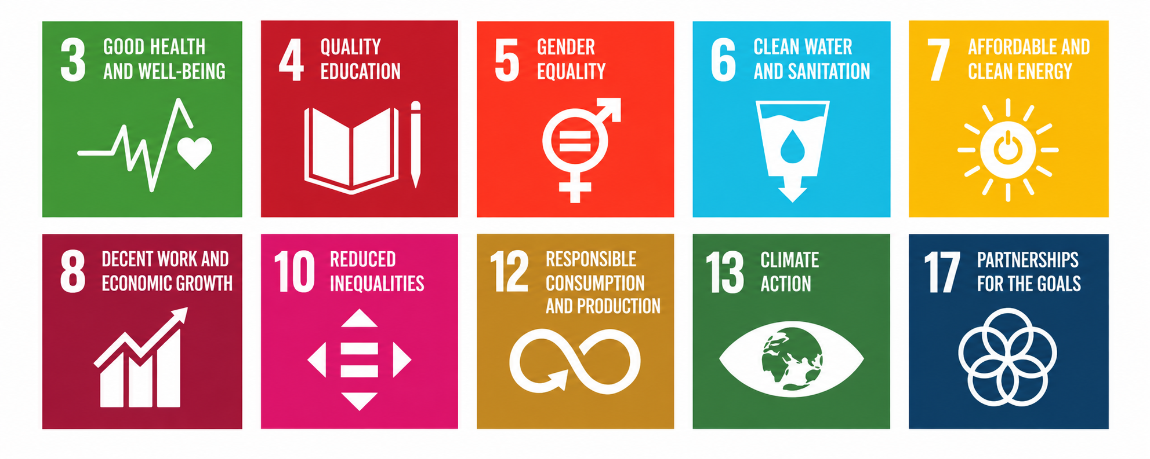
Projects in support of the Sustainable Development Goals
Together, these projects contribute to a majority of United Nations Sustainable Development Goals, particularly in the areas of health, education, equality, access to energy, employment and climate action.